
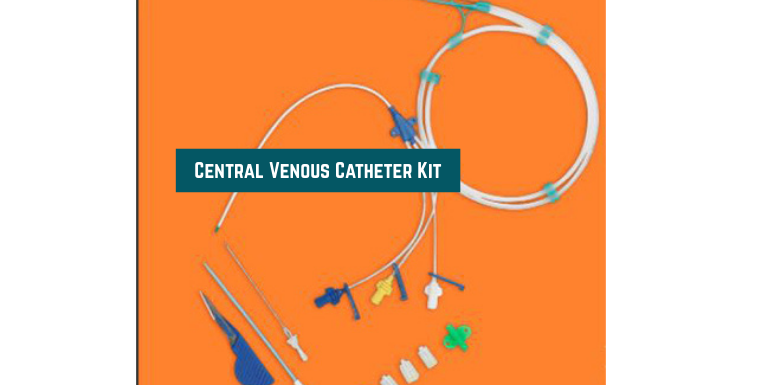
In modern medicine, central venous catheters (CVCs) are a vital tool for providing long-term vascular access, allowing for the administration of medications, fluids, and blood products, as well as drawing blood for laboratory testing. Insertion of a CVC requires precision and the right set of tools to ensure that the procedure is performed safely and effectively. This is where the Central Venous Catheter Kit comes into play.
A Central Venous Catheter Kit is a comprehensive collection of medical tools specifically designed for the insertion of a central venous catheter. These kits are critical in providing healthcare professionals with all the necessary instruments to perform a successful and sterile catheter insertion, minimizing complications like infections, thrombosis, or catheter displacement.
This article will break down the essential components of a Central Venous Catheter Kit, explain their functions, and highlight their importance in ensuring the safety and success of the procedure.
A central venous catheter (CVC) is a medical device inserted into a large vein, often in the neck (internal jugular vein), chest (subclavian vein), or groin (femoral vein). These catheters provide direct access to the central venous system for long-term intravenous (IV) therapies such as chemotherapy, antibiotics, parenteral nutrition, or hemodialysis.
CVCs are typically preferred over peripheral IV lines for long-term treatments due to their ability to provide more reliable access to large veins. A CVC kit includes all the tools needed to insert these catheters with high precision, reducing the risk of complications and improving patient outcomes.
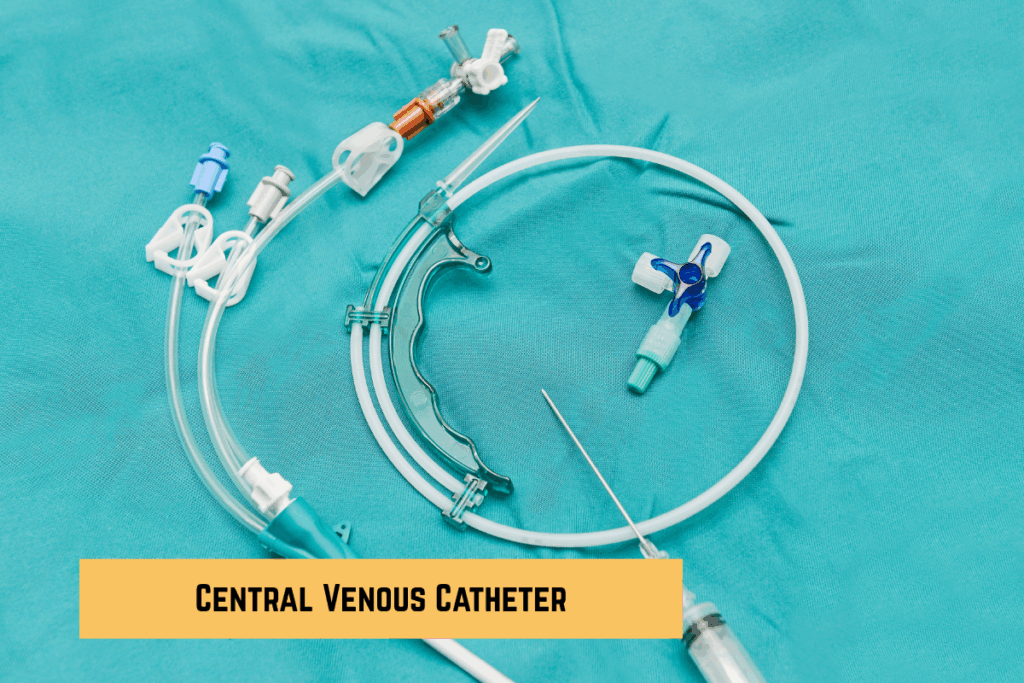

The central venous catheter is the main item in the kit and comes in several types, including single-lumen, double-lumen, triple-lumen, and quad-lumen catheters. Each type is designed to meet specific clinical needs, such as multiple infusions, hemodialysis access, or parenteral nutrition.
The guidewire is a flexible wire used to help guide the catheter into the proper vein during the insertion procedure. The J-tip design makes it easier to navigate the catheter into the central venous system without causing damage to the vein walls. The guidewire is typically made from stainless steel or nitinol, a nickel-titanium alloy that offers both strength and flexibility.
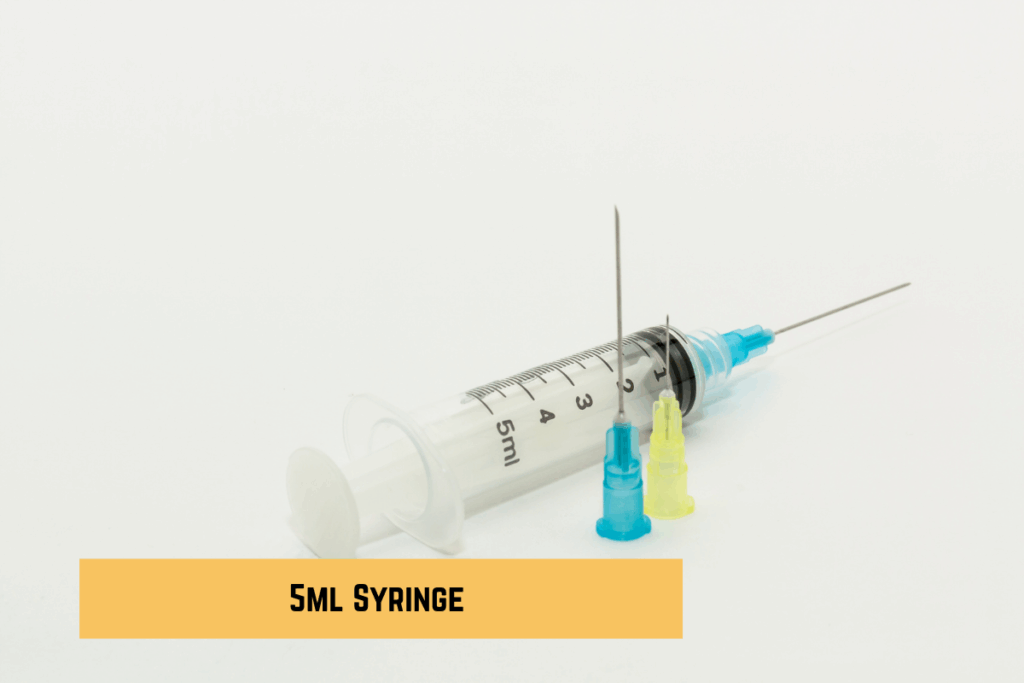
The introducer needle is used to puncture the skin and the vein during the initial step of catheter insertion. This needle has a large lumen to accommodate the guidewire and catheter. A needle size of 18Ga and a length of 7cm is commonly used for inserting a central venous catheter, allowing for an easy entry into the venous system.
Vessel dilators are used to gently expand the size of the vein in preparation for the catheter insertion. These dilators help ensure that the catheter will fit properly within the vein, allowing for smooth insertion with minimal resistance.

The Central Venous Catheter Kit is a crucial component in providing long-term vascular access for patients requiring intravenous therapy. The kit contains essential tools that help healthcare providers safely and efficiently insert CVCs, whether for chemotherapy, dialysis, parenteral nutrition, or other critical treatments. By using these tools in a coordinated manner, healthcare professionals can significantly reduce the risk of complications and improve the success of the procedure.
At St. Stone, we provide high-quality Central Venous Catheter Kits that include everything necessary for a successful catheter insertion, from the central venous catheter itself to guidewires, introducer needles, and other essential components. For more information or to place an order, visit St. Stone and discover our comprehensive range of medical devices and dialysis consumables.
We are recognized as one of the leading manufacturers, exporters, and suppliers of a diverse range of high-quality medical devices in India. Our products, including Interventional Cardiology, Nephrology, Anaesthesia, General Consumables, and Critical Care Accessories, are designed to meet the highest standards of excellence, ensuring reliable performance and patient care.
A – 8, Kuraopokpi industrial Estate,
Thoubal (kakching) Imphal,
Manipur – 795001, India.