
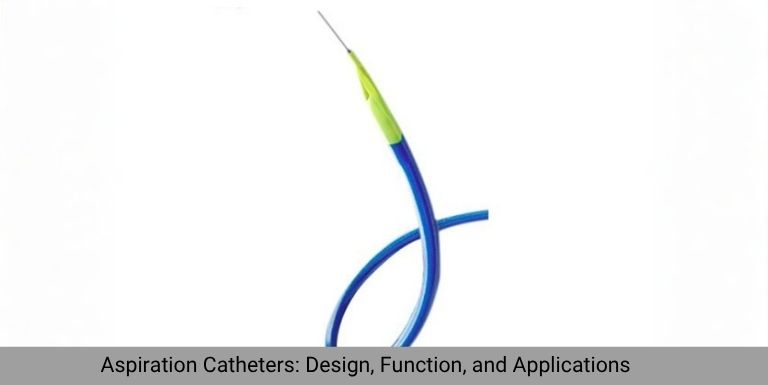
This article aims to provide an in-depth exploration of aspiration catheters, focusing on their design, function and clinical applications. Aspiration catheters are vital tools used in a variety of interventional procedures, particularly for the removal of thrombus (clots) from blood vessels. Understanding their design features and specific uses can help healthcare professionals select the right catheter for each clinical situation, enhancing both the safety and efficacy of medical procedures.
Aspiration catheters are indispensable devices in interventional procedures, particularly in thrombectomy, angioplasty and neurovascular interventions. These catheters are designed to remove thrombus (clots) or other occlusive material from blood vessels, which can be critical in treating patients with conditions like coronary artery disease, peripheral artery disease or stroke. The design and performance of these catheters play a crucial role in the success of such interventions.
In this article, we will examine the design aspects of aspiration catheters, how they function and their various clinical applications. By understanding the intricacies of Thrombus Aspiration Catheters, medical professionals can better navigate the complexities of vascular interventions, ensuring optimal outcomes for patients.

The design of an aspiration catheter is a key determinant of its performance during medical procedures. Several design features ensure that the catheter can effectively remove clots, navigate tortuous vessels and remain reliable throughout the procedure. The following features are integral to the functionality of a thrombus aspiration catheter.
Many aspiration catheters come with integrated radiopaque markers. These markers are visible under fluoroscopy, allowing clinicians to track the catheter’s movement within the vascular system. The ability to visualize the catheter’s position in real time is critical for ensuring proper placement and avoiding vessel damage. Whether used in coronary or peripheral vascular procedures, radiopaque markers provide the precision necessary for safe and effective interventions.
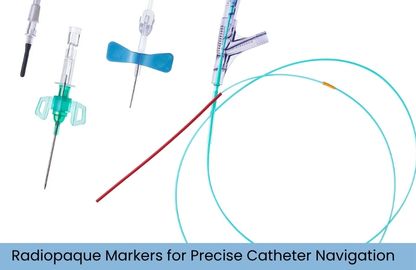
The tip design of an aspiration catheter is critical for ensuring the catheter can navigate through blood vessels without causing damage. An atraumatic tip minimizes the risk of injuring the vessel walls, which can lead to complications such as bleeding or dissection. Many advanced Aspiration Catheter features dedicated tip designs that allow for smooth, easy insertion into complex vascular anatomies. For example, some catheters use angled tips that improve the catheter’s ability to traverse tortuous vessels while maintaining a gentle approach to the vessel walls.
The shaft of the aspiration catheter is often made from braided materials, which help prevent kinking during insertion. Kink resistance is essential for ensuring that the catheter remains functional, even when navigating through difficult or curved vessels. This is especially important in peripheral thrombus aspiration catheters, where catheters must navigate complex peripheral vascular structures without compromising their performance.
In addition to kink resistance, the braided shaft also provides strength, enabling the catheter to exert the necessary force for effective thrombus aspiration. The braided design allows the catheter to remain flexible yet sturdy, ensuring it can withstand the mechanical stresses of the procedure.
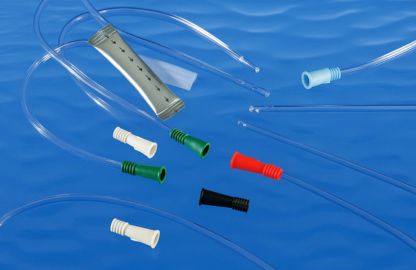
Some aspiration catheters come with a hydrophilic coating that enhances the catheter’s ability to glide smoothly through the vascular system. This coating helps reduce friction, making it easier for the catheter to advance through tortuous or narrow vessels. This feature is particularly useful in challenging procedures where precision and ease of navigation are crucial.
The hydrophilic coating also contributes to improved patient comfort by reducing the amount of force needed to advance the catheter. It also decreases the risk of vascular injury, as the smoother surface minimizes trauma to the vessel walls during insertion.
A significant design consideration in thrombus aspiration catheters is the size of the aspiration lumen. A larger lumen allows for higher aspiration capacity, enabling the catheter to remove larger volumes of thrombus in a single pass. High-performance aspiration catheters are specifically designed with large aspiration lumens to ensure that the catheter can effectively clear occlusions and restore blood flow in cases of severe thrombotic buildup.
The aspiration lumen is also optimized to maintain constant, high-performance aspiration throughout the procedure, ensuring consistent results and reducing the need for multiple passes.
The primary function of an aspiration catheter is to aspirate or remove thrombus, clots and other debris from blood vessels. This function is crucial in various therapeutic procedures, such as thrombectomy for patients experiencing acute coronary syndromes, stroke or peripheral artery disease. Aspiration catheters are designed to offer the following benefits during their operation:
Aspiration catheters are employed in various medical fields, particularly in interventional cardiology, neurology and peripheral vascular treatments. Their applications include:
In the field of cardiology, coronary aspiration catheters are commonly used in thrombectomy procedures to remove thrombus from coronary arteries. This is particularly important in patients who experience myocardial infarction (heart attack) due to clot formation. By removing the thrombus quickly and effectively, these catheters restore blood flow to the affected area of the heart, improving patient prognosis.
Peripheral arterial disease (PAD) often involves the formation of thrombus in the arteries of the legs, which can lead to reduced blood flow, pain and tissue damage. Peripheral thrombus aspiration catheters are used to remove these clots, helping restore blood flow and alleviate symptoms. These catheters are designed with features that allow for navigation through the smaller and more complex peripheral vasculature.
In neurointerventional procedures, aspiration catheters are used for thrombectomy in the brain, particularly in the treatment of acute ischemic stroke caused by a blood clot blocking cerebral blood flow. Neurovascular aspiration catheters are designed to navigate the delicate brain vasculature, aspirating thrombus while minimizing trauma to surrounding tissue.

Patients with dialysis access may develop thrombus in their vascular access sites. Disposable aspiration catheters are often used to clear these thrombotic blockages, ensuring that the dialysis process can continue without interruption. These catheters are designed to be used in a sterile, single-use manner to minimize the risk of infection.
Aspiration catheters are essential tools in modern interventional medicine, offering critical functionality in the removal of thrombus and restoring blood flow to affected vessels. Their design features, including radiopaque markers, hydrophilic coatings, kink resistance and large aspiration lumens, make them effective and reliable for a variety of clinical applications. Whether used in coronary thrombectomy, peripheral thrombectomy or neurovascular interventions, aspiration catheters help clinicians achieve optimal outcomes in the treatment of vascular occlusions.
By understanding the design and function of aspiration catheters, healthcare professionals can select the appropriate device for each specific clinical scenario, ensuring that patients receive the most effective and efficient care. As advancements in catheter technology continue, the role of high-performance aspiration catheters will remain pivotal in improving patient outcomes across a wide range of interventional procedures.
We are recognized as one of the leading manufacturers, exporters, and suppliers of a diverse range of high-quality medical devices in India. Our products, including Interventional Cardiology, Nephrology, Anaesthesia, General Consumables, and Critical Care Accessories, are designed to meet the highest standards of excellence, ensuring reliable performance and patient care.
A – 8, Kuraopokpi industrial Estate,
Thoubal (kakching) Imphal,
Manipur – 795001, India.