Read Our Article
Supplying a Comprehensive Range of Hospital, Dialysis, Interventional, and Critical Care Medical Devices to Indonesia from India

The Middle East has witnessed a consistent rise in chronic kidney disease and end-stage renal failure due to changing lifestyles, increasing diabetes prevalence, and aging populations. As a result, dialysis centers, hospitals, and renal care facilities across the region are expanding rapidly. This growth has led to a strong and sustained demand for high-quality dialysis consumables sourced from reliable global partners.
Healthcare providers across the Middle East increasingly rely on experienced dialysis consumables manufacturers, exporters, suppliers, traders, brokers, and dealers who can deliver consistent product quality, uninterrupted supply, and compliance with international healthcare standards. A diversified dialysis consumables portfolio plays a crucial role in supporting safe, efficient, and long-term renal replacement therapy.
The demand for dialysis consumables in the Middle East continues to grow as governments and private healthcare providers invest heavily in renal care infrastructure. Countries across the GCC and wider Middle East are strengthening dialysis services through new hospitals, specialized dialysis clinics, and public–private partnerships.
Because dialysis treatment is recurring and lifelong for many patients, consumables must be sourced continuously. This makes dialysis centers highly dependent on dependable dialysis consumables suppliers and exporters to the Middle East. Reliability, standardization, and the ability to supply large volumes consistently are key selection criteria for hospitals and distributors.
International manufacturers serving the Middle East play a vital role by bridging the supply gap and ensuring uninterrupted availability of essential dialysis products.
 Call Us Now!
Selecting a dialysis consumables manufacturer goes far beyond individual product pricing. Dialysis centers require partners who can ensure uniform quality across all consumables used daily during treatment. Variations in catheter performance, blood handling components, or infection control products can directly impact patient safety and treatment efficiency.
A dialysis consumables manufacturer and exporter with a complete product portfolio allows healthcare providers to streamline procurement, reduce dependency on multiple vendors, and standardize clinical protocols. This approach also benefits distributors and dealers operating across the Middle East, as they can represent a single, reliable brand across multiple product categories.
Dialysis consumables used in Middle East healthcare facilities must comply with strict quality, safety, and regulatory expectations. Because these products come into direct contact with blood and internal body systems, healthcare authorities across the region emphasize high manufacturing standards and consistent product performance.
Government healthcare systems and large private hospital groups often require dialysis consumables to be sourced from experienced dialysis consumables manufacturers and exporters that follow internationally accepted quality systems. This includes controlled manufacturing environments, batch-level traceability, and validated sterilization processes.
In the Middle East, dialysis centers typically evaluate suppliers not only on product specifications but also on documentation readiness and long-term compliance capability. Reliable dialysis consumables suppliers and dealers support hospitals by ensuring that products meet procurement and audit requirements, especially for government tenders and centralized purchasing programs.
By working with established manufacturers and exporters, healthcare providers reduce regulatory risk while ensuring uninterrupted dialysis treatment.
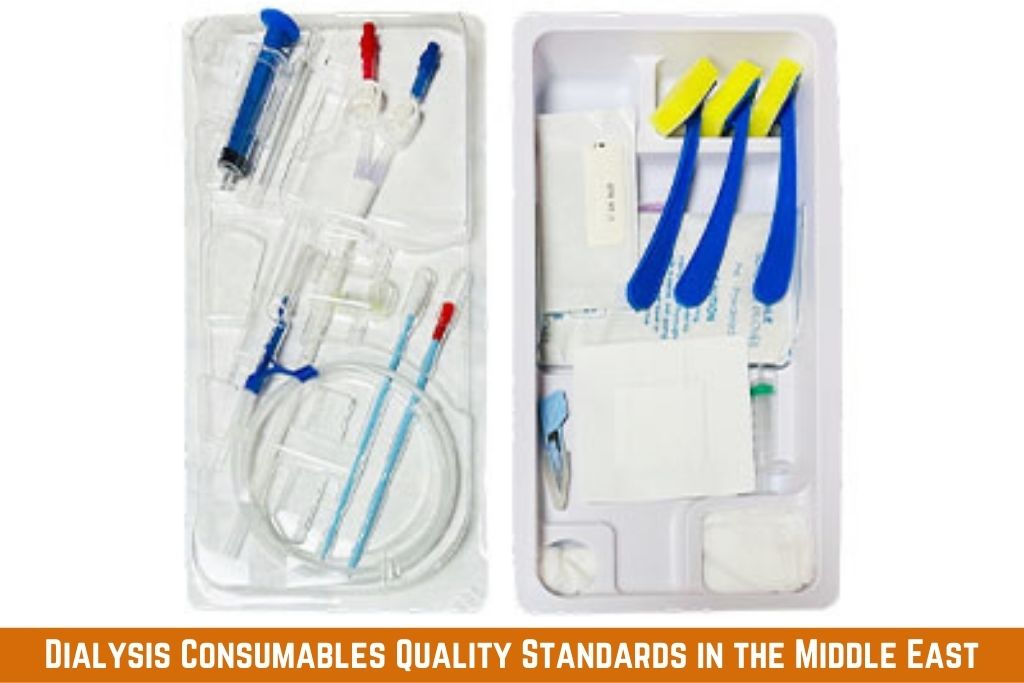
Hemodialysis remains the most widely used renal replacement therapy across Middle East healthcare systems. Dialysis centers require a broad range of consumables designed for repeated use, high patient throughput, and strict infection control.
Hemodialysis access is critical to treatment efficiency and patient safety. Products such as Short Term Hemodialysis Catheters are widely used in emergency and acute care settings, while Long Term Hemodialysis Catheters support patients requiring ongoing dialysis therapy.
Lumen configuration plays a major role in treatment effectiveness. Single Lumen Dialysis Catheters, Double Lumen Catheters, and Triple Lumen Catheters are selected based on blood flow requirements, treatment duration, and patient condition. A reliable dialysis catheter manufacturer and supplier for the Middle East ensures consistent lumen performance and material integrity.
Safe and repeated vascular access is essential in hemodialysis. Consumables supporting this process must withstand frequent use while minimizing trauma and infection risk.
Products such as AV Fistula Needles and Introducer Needles are fundamental in daily dialysis operations. Supporting accessories including Dressing Kits and T-Guard help maintain catheter site hygiene and reduce infection rates. Dialysis centers across the Middle East depend on trusted dialysis consumables traders and dealers to supply these products reliably.
 Email Us Today!
Efficient blood circulation between the patient and dialysis machine is at the core of hemodialysis treatment. Consumables supporting this process must meet stringent safety and performance standards.
Blood Line Sets for Hemodialysis are designed to ensure smooth blood flow with minimal pressure variation. Products such as Filterset™ support treatment efficiency by maintaining filtration accuracy and preventing contamination. A dependable dialysis consumables exporter and broker for the Middle East ensures these products meet the expectations of high-volume dialysis units.
Peritoneal dialysis (PD) is gaining popularity across several Middle East countries due to its flexibility and suitability for home-based care. PD programs rely heavily on specialized consumables designed for long-term patient use and strict infection prevention.
Our Other Product
Biopsy NeedlePeritoneal dialysis systems include Peritoneal Dialysis Catheters, Swan Neck Coil Catheters – U, and Coil Catheters, which are designed to maintain stable positioning and efficient dialysate flow. Supporting products such as Transfer Sets, Minicaps, and Titanium Adapters play a critical role in preventing contamination during dialysis exchanges.
Hospitals and home-care programs in the Middle East often source PD consumables from experienced peritoneal dialysis consumables manufacturers and exporters who understand the importance of consistency and sterility.
Infection control is one of the most critical aspects of dialysis treatment, especially given the immunocompromised status of many renal patients. Consumables designed to reduce infection risk are essential components of dialysis protocols.
Minicaps, Dressing Kits, Transfer Sets, and T-Guard products support sterile handling and secure catheter management. Dialysis centers across the Middle East prioritize sourcing these products from trusted dialysis consumables suppliers and dealers who maintain high manufacturing standards.
Dialysis consumables are used extensively across public hospitals, private dialysis chains, specialty renal clinics, and home-care programs. Government healthcare systems in the Middle East often operate large dialysis networks requiring bulk procurement and long-term supply contracts.
Private dialysis providers, on the other hand, emphasize product consistency and service reliability. Both segments benefit from working with experienced dialysis consumables manufacturers, exporters, and supplier who can meet diverse operational needs.
Procurement models for dialysis consumables vary across Middle East countries, but the emphasis on reliability and long-term supply remains consistent. In GCC nations, dialysis consumables are often procured through centralized government tenders, long-term contracts, or approved vendor lists.
Private dialysis chains and hospital networks, on the other hand, prefer flexible procurement arrangements that allow bulk ordering, scheduled deliveries, and price stability. These buyers often work with trusted dialysis consumables traders, brokers, and suppliers who can respond quickly to fluctuating demand.
Across both public and private sectors, there is a growing preference for manufacturers that offer a complete dialysis consumables range. This allows procurement teams to reduce vendor fragmentation, simplify logistics, and standardize consumables across multiple dialysis centers.
As dialysis demand continues to rise, procurement teams increasingly prioritize manufacturers and exporters with proven Middle East supply experience.
The Middle East dialysis market spans multiple countries, each with unique healthcare structures and procurement models. The table below highlights how dialysis consumables demand varies across the region:
Middle East Country | Dialysis Market Characteristics | Common Procurement Channels |
UAE | Advanced private & government dialysis centers | Importers, dealers, hospital tenders |
Saudi Arabia | Large government-funded dialysis programs | Registered suppliers, distributors |
Qatar | High standard renal care facilities | Approved exporters, brokers |
Kuwait | Government-controlled dialysis services | Licensed medical suppliers |
Oman | Expanding dialysis infrastructure | Importers, traders |
Bahrain | Public–private healthcare mix | Medical device dealers |
Jordan | Growing private dialysis clinics | Regional distributors |
Iraq | High demand for imported dialysis consumables | Traders, exporters |
Egypt | Large patient base, mixed healthcare system | Bulk suppliers, brokers |
This geographic diversity highlights the importance of working with flexible and export-ready dialysis consumables partners.
Proper storage and handling of dialysis consumables are critical to maintaining product integrity and patient safety. Dialysis centers across the Middle East operate in diverse climatic conditions, including high temperatures and humidity, which makes correct packaging and logistics planning essential.
Dialysis consumables such as catheters, blood line sets, and peritoneal dialysis accessories must be stored in controlled environments to preserve sterility and material performance. Manufacturers and exporters serving the Middle East design packaging and labeling to withstand long-distance transport and extended storage periods.
Reliable dialysis consumables exporters and suppliers also support distributors and dealers with predictable delivery schedules, inventory planning, and bulk shipment options. This ensures that dialysis centers can maintain uninterrupted treatment schedules even during periods of high patient load.
Effective supply chain management is a key reason why Middle East healthcare providers prefer long-term partnerships with experienced dialysis consumables manufacturers.
Exporting dialysis consumables to the Middle East requires robust manufacturing systems, dependable logistics, and long-term supply planning. Dialysis treatment cannot be interrupted, making reliability a top priority for healthcare providers.
A dialysis consumables exporter and supplier for the Middle East must support distributors with consistent production schedules, proper documentation, and responsive communication. This level of reliability strengthens partnerships and ensures continuity of patient care.
Our Other Product
Skin StaplerDialysis is not a one-time treatment—it is a continuous therapy that often lasts for years. Because of this, healthcare providers in the Middle East value long-term relationships with dependable dialysis consumables manufacturers, exporters, and suppliers rather than short-term transactional sourcing.
Long-term partnerships help dialysis centers maintain consistency in consumables used for patient care, reducing variability in treatment protocols. They also allow distributors and dealers to plan inventory more effectively and respond to emergencies or sudden increases in dialysis demand.
Manufacturers that understand regional needs, supply cycles, and clinical workflows are better positioned to support dialysis care continuity across the Middle East. This strategic collaboration ultimately benefits patients by ensuring uninterrupted access to essential dialysis consumables.
As dialysis demand continues to rise across the Middle East, healthcare providers increasingly seek comprehensive partners capable of supplying a full range of dialysis consumables under consistent quality standards. From hemodialysis access devices and blood handling components to peritoneal dialysis systems and infection control products, every consumable plays a vital role in patient outcomes.
As an experienced global dialysis consumables manufacturer, exporter, supplier, trader, and dealer, STS Medicals supports Middle East healthcare markets with a complete portfolio of hemodialysis catheters, peritoneal dialysis consumables, vascular access products, blood line sets, and infection control accessories. Manufactured under stringent quality systems, these products are designed to meet international healthcare requirements and support modern dialysis care across diverse Middle East healthcare settings.
By partnering with reliable manufacturers and exporters, dialysis centers and distributors can ensure uninterrupted supply, standardized treatment protocols, and improved patient safety across the region.
We are recognized as one of the leading manufacturers, exporters, and suppliers of a diverse range of high-quality medical devices in India. Our products, including Interventional Cardiology, Nephrology, Anaesthesia, General Consumables, and Critical Care Accessories, are designed to meet the highest standards of excellence, ensuring reliable performance and patient care.
A – 8, Kuraopokpi industrial Estate,
Thoubal (kakching) Imphal,
Manipur – 795001, India.