

Epidural sets are critical components in pain management, especially in labor and surgical procedures. This article explores the role of epidural catheter kits and other related equipment in delivering effective pain relief, providing healthcare professionals with a detailed understanding of how these tools are used to ensure patient comfort during various medical interventions.
Pain management is a vital aspect of healthcare, particularly during labor and surgery. Epidural anesthesia is one of the most commonly used methods for providing targeted pain relief and epidural sets play an essential role in its administration. The use of epidural catheter kits allows for the controlled delivery of anesthetic drugs, ensuring that patients experience minimal discomfort during procedures that may otherwise be painful or stressful.
An epidural set typically consists of several key components, including the epidural catheter, a needle for insertion and other tools needed for the safe and effective administration of medication. By delivering anesthetics directly to the epidural space of the spine, epidural anesthesia blocks pain from specific areas of the body, providing significant relief during labor, surgery and even in the management of chronic pain conditions.
This article will discuss the various components of epidural sets, their role in pain management and the factors healthcare professionals must consider when selecting and using these sets during labor and surgery.

An epidural catheter set includes several crucial elements designed to ensure that the procedure is carried out effectively, safely and efficiently. Understanding these components is essential for healthcare providers, as each part serves a unique function in the overall epidural anesthesia delivery system.
The epidural catheter is the primary component in an epidural catheter kit, used for delivering anesthetic drugs into the epidural space. The catheter is typically made of soft, flexible material, which allows it to be comfortably inserted and positioned within the epidural space. The catheter is designed for long-term use, as it may remain in place for several hours or longer, depending on the procedure and the type of pain relief required.
When the catheter is inserted into the epidural space, it provides a pathway for the continuous delivery of anesthetic agents, which block the nerves responsible for transmitting pain signals. The catheter’s design allows for precise control over the amount and flow of medication, ensuring effective pain management.
An epidural needle is used to access the epidural space, where the catheter will be inserted. The needle is typically larger and has a blunt tip to facilitate the precise insertion of the catheter without causing damage to surrounding tissues. Epidural needles come in various sizes, allowing healthcare professionals to select the most appropriate one based on the patient’s anatomy and the intended procedure.
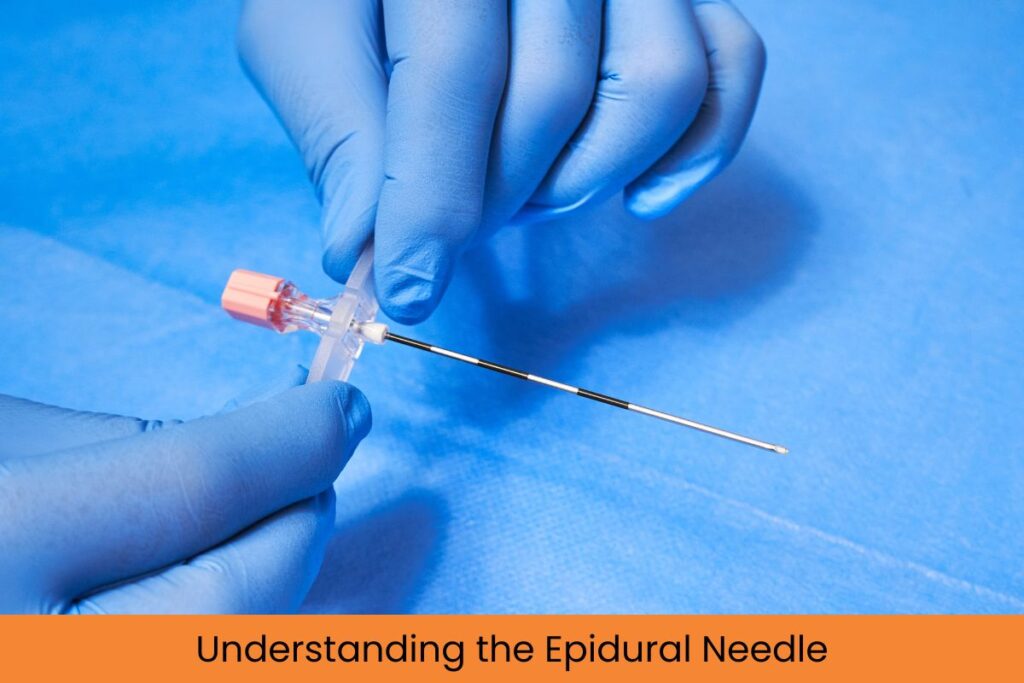
Once the needle is in place, the epidural catheter is threaded through it and advanced into the epidural space. The needle is then carefully removed, leaving the catheter in place to deliver medication.
Once the epidural catheter is inserted, the syringe is used to deliver anesthetic medication, such as local anesthetics (e.g., bupivacaine) or opioids (e.g., fentanyl), into the epidural space. These medications block nerve activity and provide targeted pain relief to specific areas of the body, depending on the location of the catheter.
The epidural set typically includes pre-filled syringes to simplify the medication delivery process, ensuring the correct dosage is administered. Healthcare providers may adjust the medication over time based on the patient’s pain level, ensuring optimal comfort during labor or surgery.
To ensure proper placement and reduce the risk of complications, some epidural catheter kits include special placement devices, such as guidewires or introducers. These tools help healthcare providers position the epidural catheter accurately within the epidural space. Proper placement is critical to ensuring that the medication is delivered effectively and that the catheter remains securely in place during the procedure.
Epidural sets are most commonly associated with pain management during labor and delivery. The process of childbirth can be extremely painful and epidural catheter kits provide a highly effective method of relieving this pain while allowing the mother to remain conscious and active during the birth process.
The epidural catheter is placed in the lower back, where it can deliver pain-relieving medication to the nerves that transmit pain from the uterus and cervix. By targeting the specific nerves responsible for pain in the lower body, the epidural reduces discomfort without affecting the mother’s ability to participate in the birth process.
Epidural anesthesia provides pain relief without causing complete loss of sensation, allowing the mother to still feel pressure and control her movements. This level of pain management allows for a more comfortable and less stressful labor experience.
An epidural catheter allows for the continuous or intermittent delivery of anesthetic medication, depending on the specific needs of the mother. Continuous infusion is typically used for longer labor periods, while intermittent boluses may be administered for shorter, more intense labor.
The ability to adjust the medication throughout labor ensures that pain relief is maintained, providing comfort to the mother as her labor progresses. In some cases, the epidural set may be used to administer medication during both the first and second stages of labor, ensuring that pain relief is provided during the entire process.
In addition to their use in labor and delivery, epidural sets are also widely used in various surgical procedures to provide effective pain relief. Epidural anesthesia is particularly useful for surgeries involving the lower body, such as abdominal, pelvic or lower extremity procedures.
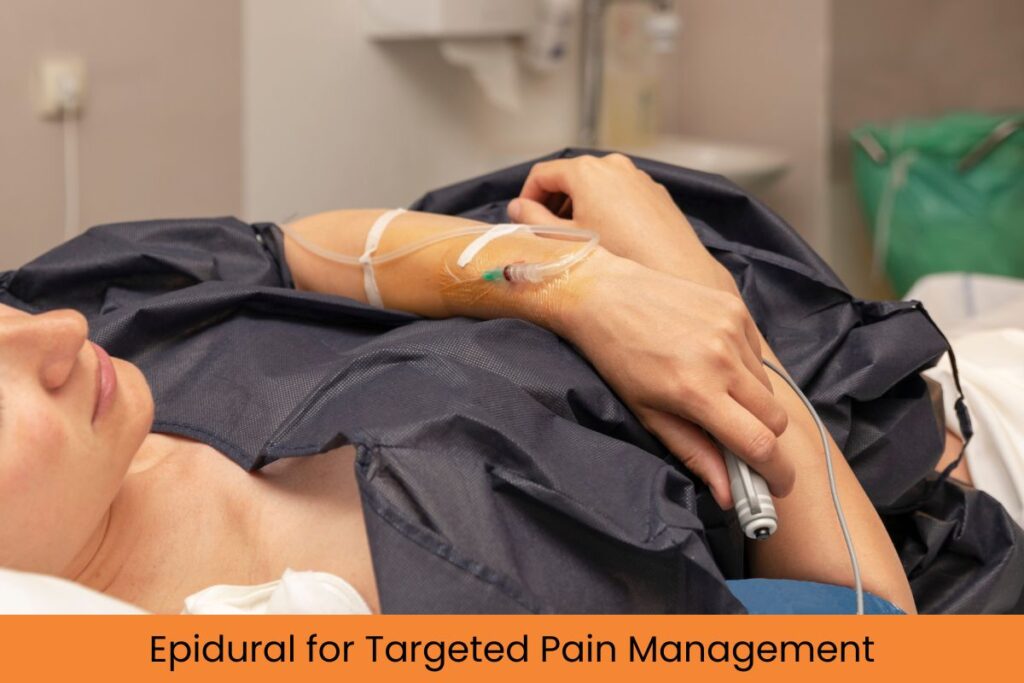
By placing the epidural catheter in the epidural space, surgeons can block pain sensations in the lower body without affecting the upper body or causing general anesthesia. This method of localized pain management is ideal for patients undergoing major lower body surgeries, as it allows them to remain awake and alert while still experiencing significant pain relief.
Epidural anesthesia also helps reduce the need for systemic pain medication, minimizing the risk of side effects and promoting a faster recovery. In many cases, epidural catheter sets can be used to manage post-operative pain as well, allowing patients to recover with minimal discomfort.
The continuous delivery of local anesthetics via the epidural catheter can significantly enhance post-operative recovery. By effectively managing pain during the recovery process, epidural anesthesia helps prevent the development of complications, such as excessive pain, reduced mobility or the need for higher doses of oral pain medication.
Selecting the appropriate epidural set is crucial for ensuring effective pain management and minimizing potential complications. Healthcare providers should consider factors such as the patient’s medical history, the type of procedure being performed and the expected duration of the pain relief required. Additionally, the specific features of the epidural catheter set should be matched to the patient’s anatomy and the procedure’s needs.
Working with reputable epidural set manufacturers ensures that healthcare providers have access to high-quality, reliable equipment designed to deliver optimal pain relief while minimizing the risk of complications.

Epidural sets, including epidural catheter kits, epidural transfer kits and other related equipment, are essential tools in providing effective pain relief during labor, surgery and other medical procedures. By delivering targeted anesthesia directly to the epidural space, these sets ensure that patients experience minimal discomfort, enabling them to undergo procedures with reduced stress and enhanced comfort.
Healthcare professionals must understand the critical components and usage of epidural sets to ensure that patients receive the best possible pain management. With proper training, these tools can be used safely and effectively, contributing to better patient outcomes and a more positive overall experience.
We are recognized as one of the leading manufacturers, exporters, and suppliers of a diverse range of high-quality medical devices in India. Our products, including Interventional Cardiology, Nephrology, Anaesthesia, General Consumables, and Critical Care Accessories, are designed to meet the highest standards of excellence, ensuring reliable performance and patient care.
A – 8, Kuraopokpi industrial Estate,
Thoubal (kakching) Imphal,
Manipur – 795001, India.