
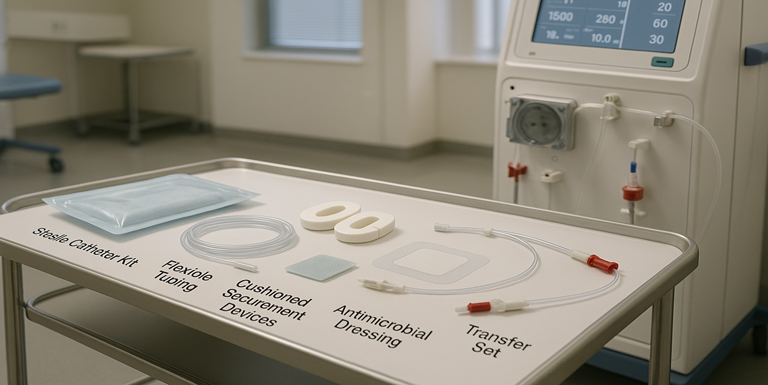
In the realm of long-term hemodialysis, the need for a reliable and comfortable dialysis catheter cannot be overstated. Long-term dialysis catheters serve as the critical bridge between patients with chronic kidney disease and the life-sustaining treatment they require. The ability to maintain effective vascular access over extended periods not only facilitates the efficient delivery of dialysis but also enhances patient comfort and minimizes complications. Healthcare providers, play a pivotal role in ensuring the availability of these essential devices.
This guide will delve into how long-term dialysis catheters improve both the comfort of the patient and the overall efficiency of treatment. From the materials used in their construction to the specific design elements that enhance ease of use and reduce complications, we will examine the factors contributing to their success in long-term hemodialysis therapy.

Long-term hemodialysis catheters are designed to provide consistent, reliable vascular access for patients with end-stage renal disease who require long-term dialysis. Unlike temporary catheters, which are typically used for short-term access during acute situations, long term hemodialysis catheters are specifically designed for ongoing use, often spanning months or even years. These catheters allow for the efficient removal and filtration of waste products from the blood, maintaining electrolyte balance and preventing fluid overload, all of which are critical for the patient’s well-being.
The hemodialysis catheter is inserted into a large vein, typically in the neck, chest or groin, providing a direct pathway to the bloodstream. As a result, these catheters are typically constructed from biocompatible materials, such as silicone, which minimizes irritation to the vein and reduces the risk of infection.
For dialysis catheter kits for long term use, the inclusion of specialized components, such as Dacron cuffs and valved introducers, further reduces complications, providing a secure, long-term access solution that is less likely to cause blood clots or infections. These features significantly contribute to the overall efficiency of the long-term hemodialysis catheter in both patient care and treatment delivery.
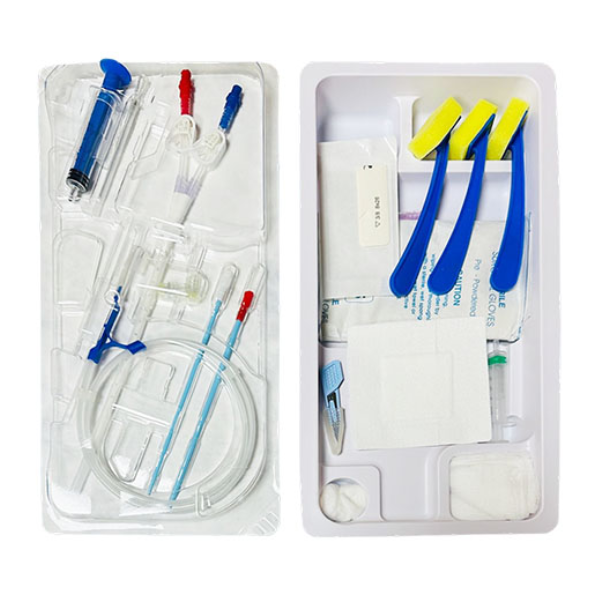
One of the key advantages of long-term dialysis catheters is their ability to provide patients with a comfortable and consistent means of accessing their vascular system. Patients undergoing long-term hemodialysis often experience discomfort or distress from catheter-related complications. For long-term vascular access catheters, the goal is to minimize these adverse effects while ensuring that the catheter remains secure and functional for the duration of treatment.
The construction material plays a significant role in patient comfort. Silicone catheters are widely used because of their flexibility and biocompatibility. Unlike other materials, silicone is soft and flexible, reducing the risk of irritation and minimizing trauma to the vein. This makes Long-Term Dialysis Catheters particularly suitable for patients who require repeated access for months or years. Additionally, the use of Dacron cuffs helps secure the catheter in place, reducing movement that can cause irritation and discomfort.
Furthermore, these catheters are designed to be less prone to thrombosis (clot formation), another critical factor in patient comfort. Long term hemodialysis catheters with silicone material are less likely to cause clotting within the catheter, which can lead to blockages, discomfort and the need for additional interventions.
The design of dialysis catheters significantly impacts the efficiency of dialysis treatment. Dialysis catheter kits for long-term use typically include several components designed to improve both patient care and the overall effectiveness of the dialysis process. These include:
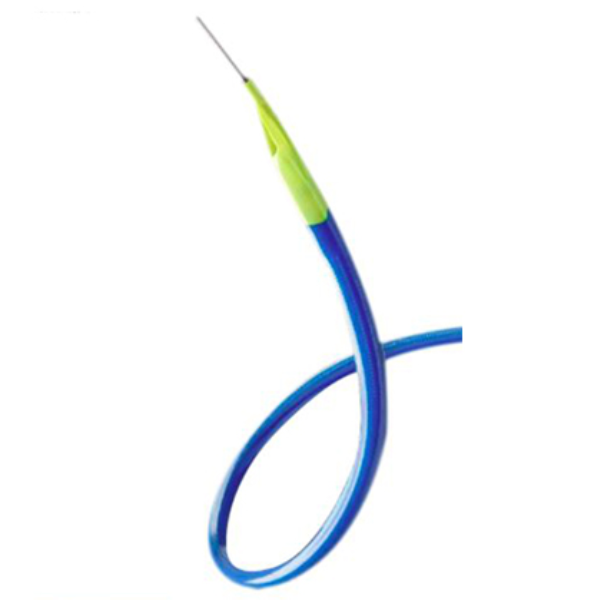
The combination of these components enables long term hemodialysis catheters to provide uninterrupted, efficient access for dialysis, ensuring that patients receive the necessary treatment for kidney failure while minimizing the risk of complications.

Long-term hemodialysis catheters are designed to be more durable than temporary catheters, which helps reduce the frequency of replacements and associated risks. However, even the most carefully designed catheters are at risk of complications, with the two most significant concerns being catheter-related infections and thrombosis. These complications can impact both the patient’s comfort and the efficiency of treatment.
Through these advanced design features, Long-Term Dialysis Catheters offer not only improved comfort but also greater treatment efficiency by minimizing complications like infection and thrombosis.
Long-term hemodialysis catheters are a critical component of care for patients requiring chronic dialysis. With advancements in catheter design, including the use of silicone materials, Dacron cuffs and other specialized components, these devices provide a comfortable and reliable solution for vascular access over extended periods.
By enhancing patient comfort, reducing complications such as infection and thrombosis and improving the overall efficiency of dialysis treatment, offer significant benefits for both patients and healthcare providers. ST Stone Medical Device, as a leading long-term hemodialysis catheter manufacturers and distributors, it is essential to continue innovating to meet the evolving needs of this patient population. Through careful design, quality materials and comprehensive dialysis catheter kits, the healthcare community can offer a safer, more effective solution for managing long-term hemodialysis therapy.
We are recognized as one of the leading manufacturers, exporters, and suppliers of a diverse range of high-quality medical devices in India. Our products, including Interventional Cardiology, Nephrology, Anaesthesia, General Consumables, and Critical Care Accessories, are designed to meet the highest standards of excellence, ensuring reliable performance and patient care.
A – 8, Kuraopokpi industrial Estate,
Thoubal (kakching) Imphal,
Manipur – 795001, India.