
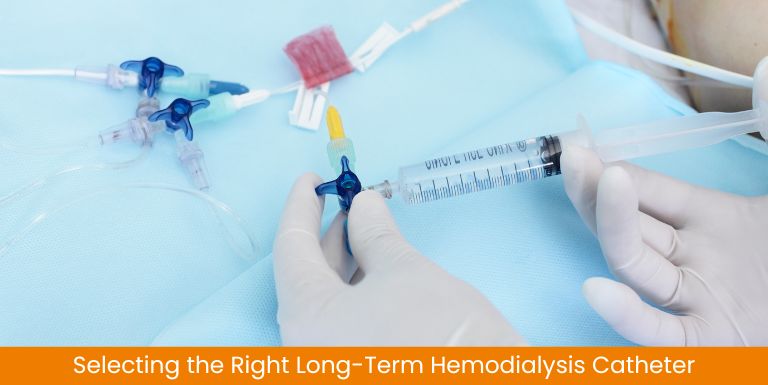
Selecting the right long-term hemodialysis catheter kit is crucial for healthcare professionals who manage dialysis treatments. This article provides guidance on the key factors to consider when choosing a long-term hemodialysis catheter, ensuring that healthcare providers can make informed decisions that best meet patient needs and clinical requirements.
For patients with end-stage renal disease (ESRD) requiring chronic hemodialysis, a long-term hemodialysis catheter is often the best option for vascular access. The long-term dialysis catheter kit is designed for durable and reliable use, enabling healthcare professionals to perform hemodialysis safely over extended periods. Choosing the appropriate catheter kit is vital, as it directly impacts both the efficiency of treatment and the patient’s quality of life.
A long-term hemodialysis catheter can remain in place for months or even years, which makes its selection particularly important. A wrong choice can lead to complications such as infections, clotting or inadequate blood flow. Therefore, healthcare professionals must consider various factors to select the most appropriate long-term dialysis catheter kit for each patient. This article discusses the critical aspects to consider when choosing the right kit and provides a step-by-step guide for healthcare professionals to make an informed decision.

The patient’s anatomy plays a significant role in selecting the right long-term hemodialysis catheter. Not all patients have the same vascular access needs and the catheter’s size, placement and configuration should align with the specific vascular anatomy of each individual.
A thorough assessment of the patient’s veins and arteries, including any pre-existing conditions, is necessary to ensure proper catheter selection. For example, patients with limited access to their veins may require a specific long-term dialysis catheter designed for challenging access sites.
Factors to consider include:
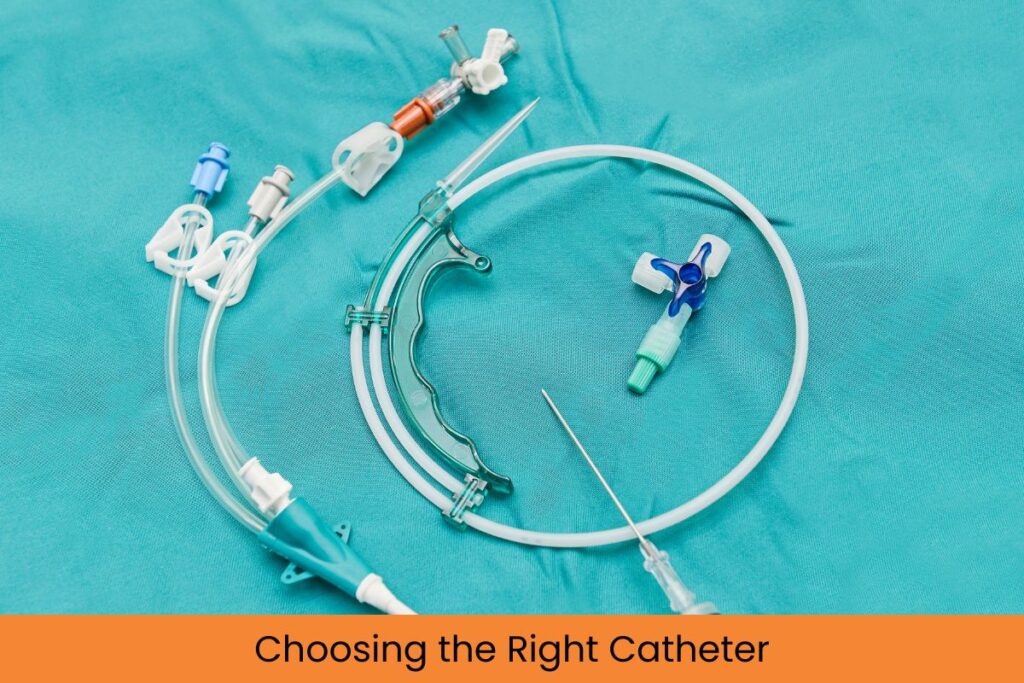
By selecting the right catheter size and type, healthcare providers can help minimize complications and optimize dialysis treatment.
The material of the long-term hemodialysis catheter directly impacts the durability, patient comfort and likelihood of complications. Long-term dialysis catheters are typically made from silicone, polyurethane or other biocompatible materials. The choice of material influences several factors:
For example, silicone catheters are known for their flexibility and smooth surface, reducing the likelihood of thrombosis or infection. On the other hand, polyurethane catheters are more resistant to kinking and offer longer use times, making them an option for patients requiring extended dialysis therapy.
The design of the catheter tip plays an essential role in determining how efficiently the catheter can function over the long term. A poorly designed tip may lead to complications such as improper blood flow or increased risk of infection. Healthcare professionals should look for the following catheter tip features:
Choosing a catheter with an appropriate tip design will help ensure efficient blood flow and reduce the risk of complications associated with long-term dialysis.
The ease of insertion is a critical factor, especially when dealing with long-term dialysis catheters. Complicated insertion procedures may increase the risk of patient discomfort, infection and prolonged recovery time. Look for catheter kits that simplify the insertion process and reduce the number of steps involved.
A long-term hemodialysis catheter kit should contain everything necessary for a safe, efficient insertion procedure, including:
Proper care and maintenance of the catheter are also essential for avoiding long-term complications. Catheter kits that come with clear instructions for maintenance, cleaning and replacement of parts may improve overall patient outcomes and reduce the risk of complications.
Selecting a St.Stone Medical Devices, as a reputable long-term hemodialysis catheters manufacturer is vital for ensuring high quality and patient safety. Established manufacturers invest in quality control processes to guarantee that their catheters meet or exceed regulatory standards.
Key considerations when evaluating a manufacturer include:
A long-term dialysis catheter kit from a trusted manufacturer will likely offer better durability, safety and reliability than products from lesser-known sources.

Choosing the right long-term hemodialysis catheter kit is a critical decision that healthcare professionals face when treating patients with chronic kidney disease requiring hemodialysis. A long-term hemodialysis catheter can significantly impact treatment efficiency, patient safety and comfort, making it essential to select a catheter that fits the specific needs of each patient.
By considering factors such as patient anatomy, catheter material, tip design, ease of insertion and manufacturer reputation, healthcare providers can make more informed decisions. A long-term dialysis catheter kit that meets both the clinical requirements and the patient’s needs will help ensure optimal outcomes and minimize the risk of complications.
Healthcare professionals must stay informed about the various options available and select a catheter kit that ensures a balance between performance, safety and patient comfort. With the right long-term hemodialysis catheter, patients can undergo hemodialysis treatments with greater ease, allowing them to maintain their quality of life during the course of treatment.
We are recognized as one of the leading manufacturers, exporters, and suppliers of a diverse range of high-quality medical devices in India. Our products, including Interventional Cardiology, Nephrology, Anaesthesia, General Consumables, and Critical Care Accessories, are designed to meet the highest standards of excellence, ensuring reliable performance and patient care.
A – 8, Kuraopokpi industrial Estate,
Thoubal (kakching) Imphal,
Manipur – 795001, India.