

In modern medical practice, ensuring patient safety while maintaining effective treatment protocols is crucial. A Peripherally Inserted Central Catheter (PICC) Kit plays an essential role in providing long-term intravenous access, especially for patients who require extended therapies such as chemotherapy, antibiotic treatment or hyperosmolar solutions. These kits provide a critical solution for healthcare professionals by facilitating safe, reliable and comfortable insertion of central venous access devices. With advancements in medical technology and material science, the Peripherally Inserted Central Catheter Kit has become a cornerstone in the treatment of patients in both inpatient and outpatient settings.
A Peripherally Inserted Central Catheter Kit is designed with a combination of precision and practicality. These kits ensure safe catheter insertion into peripheral veins, which allows access to the central venous system without the need for more invasive central line procedures. The innovation behind these kits lies in the balance between ease of use for medical professionals and patient comfort, contributing to both short-term and long-term treatment plans.
A Peripherally Inserted Central Catheter (PICC) is inserted through a vein in the arm, typically the basilic, cephalic or median cubital veins and threaded into a central vein near the heart. This method allows for the administration of medications, fluids and blood products in a manner that reduces the risks associated with other types of venous access devices. As a result, the PICC Peripherally Inserted Central Catheter Kit has gained widespread use across various healthcare settings.
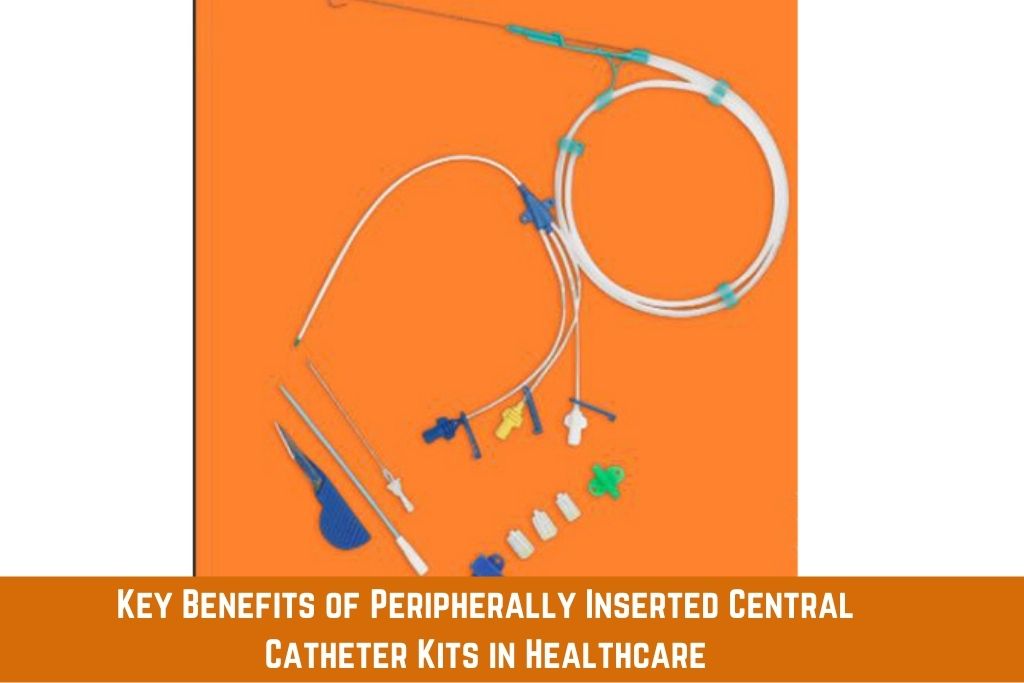
A PICC Peripherally Inserted Central Catheter Kit stands out due to its advanced design and functionality. Here are some of the key features that make it a preferred choice among healthcare professionals:
 Call Now!
The introduction of the Peripherally Inserted Central Catheter Kit has greatly enhanced patient care, particularly in managing long-term intravenous treatments. For instance, chemotherapy patients often require frequent, prolonged access to veins for the administration of medications. The PICC Kit offers a safer alternative to traditional methods such as subclavian or jugular vein access, reducing the risk of infection, thrombosis and other complications.
Additionally, patients with chronic conditions that require long-term intravenous therapies, such as total parenteral nutrition (TPN), can benefit from the consistent and reliable use of a PICC Peripherally Inserted Central Catheter Kit. This catheter type provides reliable venous access with minimal discomfort and greater convenience compared to other invasive devices.
Compared to traditional central lines, the PICC offers several advantages. One significant benefit is that the procedure for inserting a peripherally inserted central catheter, reducing the potential for complications like pneumothorax or arterial puncture, which can occur during the insertion of a central venous catheter in the chest.
Moreover, because the catheter is inserted through a peripheral vein, patients experience less discomfort and the risk of infection is lower than with centrally placed devices. Since the catheter is removed from the body after the required treatment period, there is also a reduction in the risk of catheter-associated bloodstream infections (CLABSI) compared to long-term central lines.
Selecting the right Peripherally Inserted Central Catheter Kit supplier is critical in ensuring that healthcare providers have access to high-quality, reliable medical devices. Leading PICC Peripherally Inserted Central Catheter Kit manufacturers ensure that its products meet stringent medical standards and regulatory requirements. These manufacturers also provide training and support for healthcare professionals, ensuring proper use of the equipment and enhancing patient safety.
As medical technology continues to evolve, the future of Peripherally Inserted Central Catheter Kit design will likely see even further innovations in materials, insertion techniques and patient comfort. Advances in catheter design may lead to even more effective methods of reducing complications and increasing the longevity of catheter use. Additionally, the development of new biocompatible materials and coatings could further minimize risks like infection and thrombosis, allowing for better patient outcomes in long-term treatments.
Furthermore, there is growing interest in automated systems for catheter insertion and monitoring, which could enhance the precision and efficiency of PICC procedures. These advancements will further solidify the PICC Kit as an essential tool in modern healthcare.
The Peripherally Inserted Central Catheter Kit has revolutionized intravenous therapy, offering a safer, more effective alternative to traditional central venous access devices. With its precise design, high-quality materials and versatility, it provides healthcare professionals with a reliable tool for administering critical therapies to patients. The benefits of the peripherally inserted catheter are clear: reduced risk of complications, greater comfort for patients and the ability to administer multiple therapies simultaneously. As the demand for advanced medical devices continues to grow, the PICC Kit will remain a key player in providing high-quality care to patients.
We are recognized as one of the leading manufacturers, exporters, and suppliers of a diverse range of high-quality medical devices in India. Our products, including Interventional Cardiology, Nephrology, Anaesthesia, General Consumables, and Critical Care Accessories, are designed to meet the highest standards of excellence, ensuring reliable performance and patient care.
A – 8, Kuraopokpi industrial Estate,
Thoubal (kakching) Imphal,
Manipur – 795001, India.