
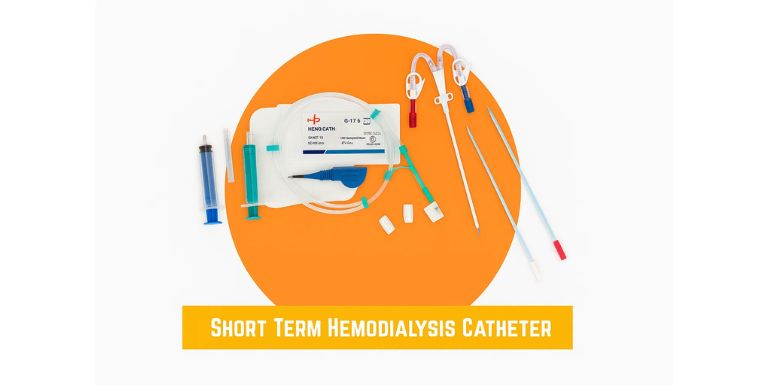
The purpose of this article is to explore the role of Short-Term Hemodialysis Catheter Kits in ensuring efficient dialysis treatment. We will discuss the different types of Short-Term Dialysis Catheters available, how they contribute to successful dialysis management and the specific features that make these catheter kits indispensable tools in clinical practice.

Dialysis is a life-saving treatment for patients suffering from kidney failure and one of the essential components of dialysis treatment is the catheter used to access the bloodstream. Short-Term Hemodialysis Catheters play a crucial role in providing immediate access for dialysis procedures, often when a permanent solution such as a fistula or graft is not viable or is still in development. These catheters are typically inserted into central veins and are designed for temporary use, making them a versatile and reliable solution in urgent situations.
The Short-Term Hemodialysis Catheter Kit is an all-in-one solution for clinicians, providing all the necessary tools to successfully insert and secure a catheter. Understanding the components and functions of these kits is essential for healthcare professionals looking to ensure smooth and effective dialysis treatment for their patients.
Short-Term Hemodialysis Catheters are specialized devices used for vascular access during hemodialysis procedures. They are designed for temporary use, generally ranging from several days to a few weeks, depending on the patient’s needs. These catheters are inserted into large veins, such as the internal jugular vein or femoral vein, to allow for the efficient removal and return of blood during dialysis.
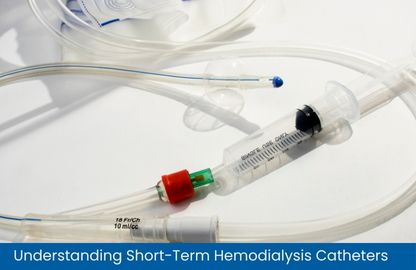
Unlike long-term dialysis catheters, which are intended for extended use, Short-Term Hemodialysis Catheters are specifically suited for patients who require immediate vascular access, such as those with acute kidney failure, those awaiting permanent dialysis access or those experiencing complications with their existing access sites.
A Short-Term Hemodialysis Catheter Kit typically contains all the necessary components required to perform catheter insertion in a safe, sterile and efficient manner. These kits are designed to streamline the procedure and ensure that clinicians have everything they need for successful placement. Common items included in the kit are:
The inclusion of multiple components in these kits makes it easier for clinicians to manage the insertion process in one single step, saving valuable time in urgent situations.
The primary purpose of Short-Term Hemodialysis Catheters is to provide quick, effective access to the bloodstream for patients undergoing dialysis. These catheters are crucial in ensuring that dialysis treatments are performed safely and efficiently. Here’s how they contribute to efficient dialysis:

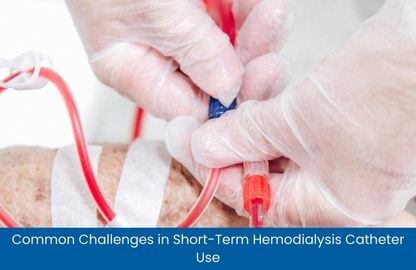
While Short-Term Hemodialysis Catheters are a vital tool in dialysis treatment, there are a few challenges that can arise during their use:
Short-Term Hemodialysis Catheter Kits are essential tools for healthcare providers in managing dialysis treatments, especially in urgent or temporary situations. These kits provide all the necessary components for successful catheter insertion and help ensure that dialysis is performed efficiently and safely. By understanding the different types of catheters available, their components and their role in effective dialysis treatment, clinicians can better navigate the challenges of temporary vascular access.
The Short-Term Dialysis Catheter provides vital access when other options are unavailable, ensuring that patients receive the necessary treatment without delay. While challenges exist, advancements in catheter design and insertion techniques, as well as the use of comprehensive kits, continue to improve the efficiency and safety of dialysis treatment.
By utilizing the right Short-Term Hemodialysis Catheter Kit, healthcare professionals can optimize patient outcomes and provide effective care in situations where timely intervention is crucial.
We are recognized as one of the leading manufacturers, exporters, and suppliers of a diverse range of high-quality medical devices in India. Our products, including Interventional Cardiology, Nephrology, Anaesthesia, General Consumables, and Critical Care Accessories, are designed to meet the highest standards of excellence, ensuring reliable performance and patient care.
A – 8, Kuraopokpi industrial Estate,
Thoubal (kakching) Imphal,
Manipur – 795001, India.