
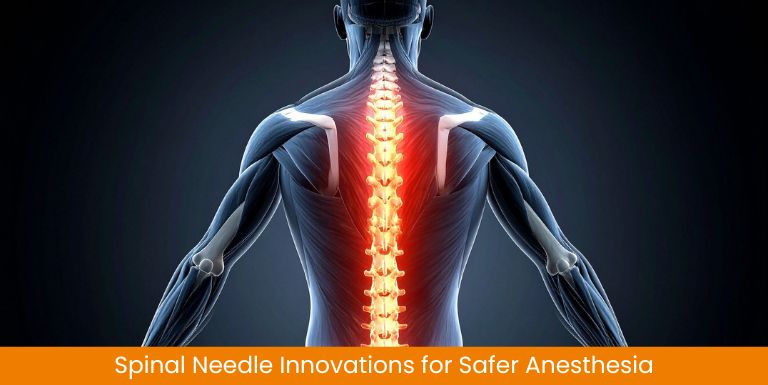
Advances in spinal needle design have significantly enhanced the safety of epidural and spinal anesthesia procedures. Modern spinal needles, developed with innovative features, help reduce complications, improve precision and ultimately ensure better patient outcomes. This article examines how these innovations contribute to safer practices in both epidural and spinal anesthesia.
Epidural and spinal anesthesia are crucial techniques used in modern medicine to provide pain relief during surgeries, childbirth and other medical procedures. The spinal needle, a key instrument in these procedures, plays a pivotal role in ensuring that anesthesia is administered safely and effectively. Over the years, spinal needle manufacturers have continually innovated to improve needle designs, making them safer, more reliable and easier to use.
The evolution of spinal needles has not only improved the accuracy of anesthesia delivery but also minimized the risks associated with the procedure. The development of new designs and materials has contributed to better outcomes by reducing complications such as dural puncture, nerve damage and infection. This article explores how spinal needle innovation has elevated safety standards in epidural and spinal anesthesia procedures.

A significant innovation in spinal needle design is the introduction of cutting and non-cutting needles. The traditional cutting needles have been refined to make more controlled incisions in the dura mater, allowing anesthetics to be injected precisely into the spinal space. However, in modern designs, non-cutting spinal needles are now preferred in many cases due to their safety benefits.
Non-cutting needles, often made of rounded material, cause less trauma to the spinal tissues, reducing the likelihood of complications such as post-dural puncture headache (PDPH) and other spinal fluid leaks. This design minimizes the risk of inadvertent damage to nerve tissues and the dura, which is crucial for patient safety.
As these needle types continue to evolve, spinal needle manufacturers focus on ensuring that the needle tip has a design that facilitates smoother insertion and more controlled access to the epidural or spinal space.
The materials used in spinal needles have also undergone significant advancements. Traditionally made from stainless steel, modern spinal needles now incorporate advanced alloys and coatings that enhance their durability and flexibility. These materials are less likely to bend or break, allowing for smoother, more accurate insertion.
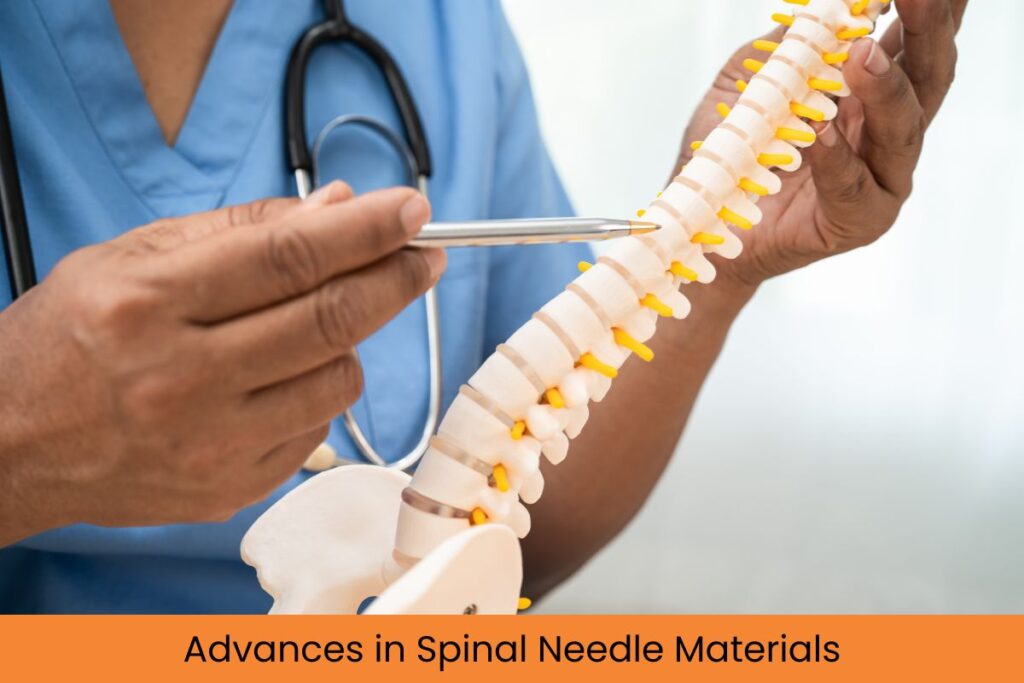
The addition of flexibility is crucial because it enables the spinal needle for anesthesia to adapt more easily to the curvature of the spine, ensuring that it reaches the appropriate location with minimal discomfort to the patient. Flexible needles reduce the force required during insertion, lowering the risk of tissue damage.
Another benefit of using specialized materials is their ability to remain sharper for longer, improving the overall performance of spinal needle sets and ensuring a cleaner, more efficient penetration into the epidural space.
One of the most impactful innovations in spinal needle technology is the improvement in needle design for greater precision and control. Sterile spinal needles are designed to provide better tactile feedback during insertion, which helps healthcare providers gauge when the needle has reached the correct space within the spinal cord.
Many spinal needle sets now feature advanced features such as:
These features improve the overall safety of the procedure by minimizing the risk of incorrect needle placement or unintentional damage to surrounding tissues, such as nerves or blood vessels.
Another crucial innovation in spinal needle design is the incorporation of safety features that minimize the risk of needlestick injuries and accidental punctures. Medical spinal needles are now often designed with safety mechanisms that shield the needle once it has been inserted, preventing any inadvertent contact with the sharp end of the needle.
The use of safety spinal needles with automatic retraction mechanisms reduces the risk of accidental needle sticks, making them safer for healthcare providers. These epidural sets are especially valuable in environments where multiple procedures are performed and ensuring the safety of both the patient and the healthcare provider is paramount.
A key safety concern in epidural and spinal anesthesia is dural puncture, which can result in complications such as post-dural puncture headache (PDPH), spinal fluid leaks and infection. The design of modern spinal needles has minimized the risks associated with dural puncture.
The non-cutting spinal needle helps reduce the size of the puncture, which decreases the chances of significant spinal fluid leakage. Furthermore, improved needle accuracy ensures that the needle tip is placed in the appropriate location, reducing the likelihood of unintended dural punctures.
One of the primary concerns during epidural and spinal anesthesia procedures is the risk of nerve damage. With the advent of sterile spinal needles that are designed for precision, the risk of inadvertent nerve injury has been greatly reduced. The advancements in needle tip design allow for a more controlled insertion, ensuring that the needle avoids nerves, blood vessels and other critical structures in the spine.
The flexibility and smaller profile of modern spinal needles also allow for safer navigation through the spinal canal, ensuring that anaesthetics are delivered in the correct location while avoiding harm to surrounding tissues.
Another safety advantage of modern spinal needles is the reduction of patient discomfort during the procedure. Spinal needle manufacturers now produce needles with coatings or lubrications that reduce friction during insertion. This makes the needle more comfortable for the patient and minimizes the risk of unnecessary tissue damage.
The refined designs and sharper tips of modern epidural and spinal needle sets allow for smoother, more efficient insertion, reducing the amount of force and manipulation needed during the procedure. These improvements contribute to a more comfortable experience for the patient, reducing stress and minimizing the potential for complications arising from patient movement.

The innovation of spinal needles has had a profound effect on improving the safety and effectiveness of epidural and spinal anesthesia procedures. Modern designs, including non-cutting tips, flexible materials, precise control features and advanced safety mechanisms, have all contributed to a reduction in complications, enhanced patient comfort and better overall outcomes.
As spinal needle distributors continue to collaborate with medical professionals to refine and develop new designs, the future of spinal anesthesia looks promising. Continued innovations will likely further minimize risks, optimize procedures and contribute to the ongoing improvement of patient care in surgeries and labor procedures.
By understanding these advancements, healthcare providers can make informed decisions about the best spinal needle sets to use, ensuring the safest possible outcomes for their patients.
We are recognized as one of the leading manufacturers, exporters, and suppliers of a diverse range of high-quality medical devices in India. Our products, including Interventional Cardiology, Nephrology, Anaesthesia, General Consumables, and Critical Care Accessories, are designed to meet the highest standards of excellence, ensuring reliable performance and patient care.
A – 8, Kuraopokpi industrial Estate,
Thoubal (kakching) Imphal,
Manipur – 795001, India.