
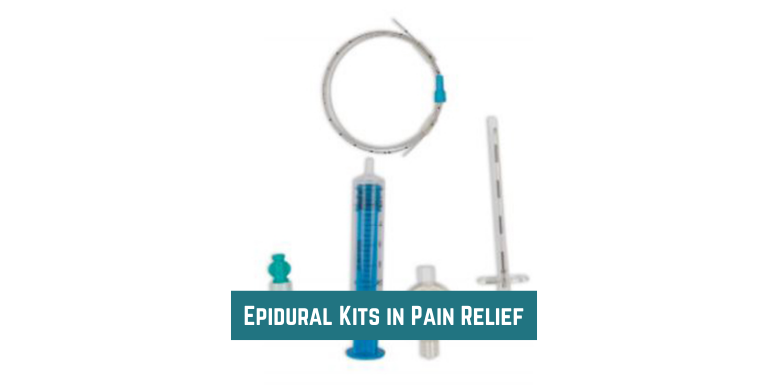
Epidural kits are essential tools in modern pain management, particularly for labor and delivery, surgery, and chronic pain conditions. By delivering regional anesthesia, these kits help patients manage pain during medical procedures, improving their comfort and recovery times. However, like any medical procedure, the use of epidural kits comes with its own set of benefits and risks.
This article explores the benefits of epidural anesthesia and the components of an epidural kit, such as the Tuohy needle, epidural catheter set, and hydrophobic filter, while also discussing potential risks and how to minimize complications.
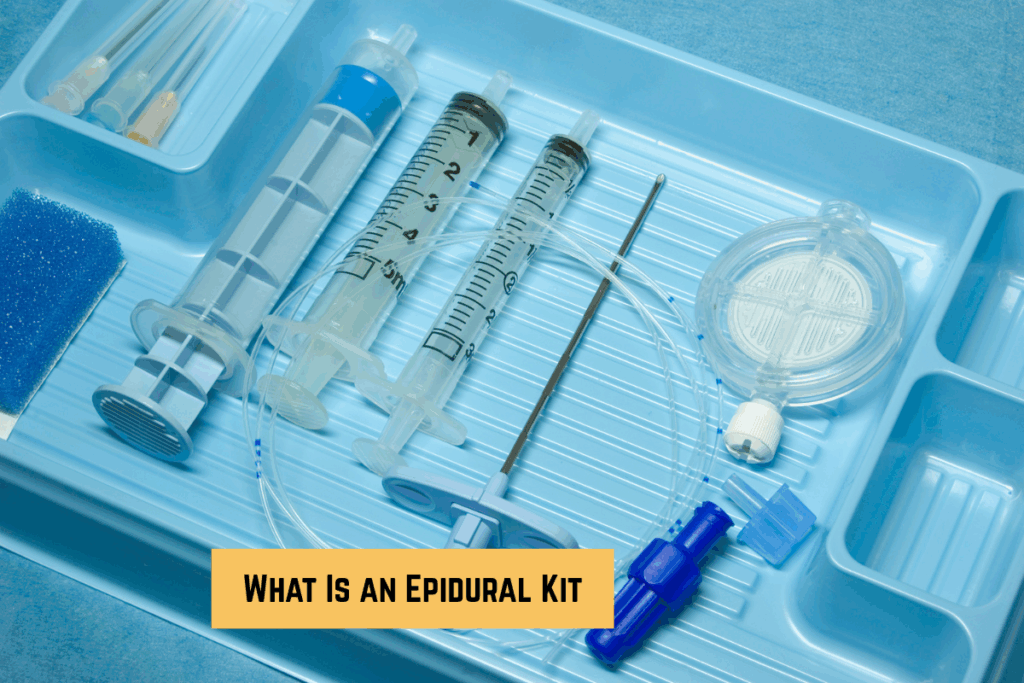
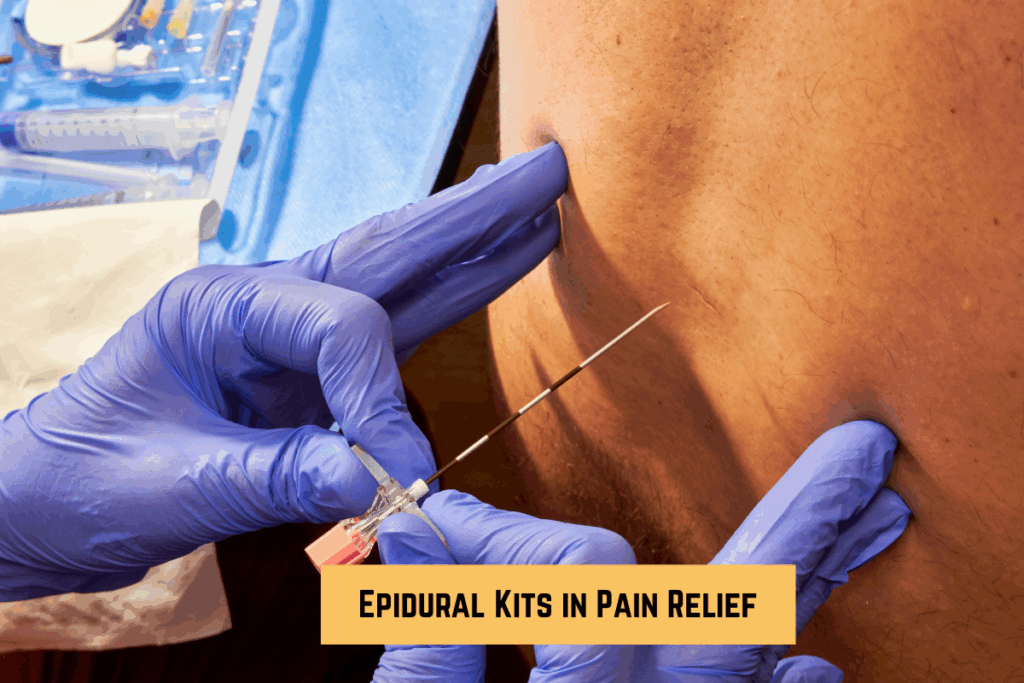
An epidural kit is a collection of medical tools used to administer epidural anesthesia for pain relief. Epidural anesthesia involves injecting local anesthetics into the epidural space in the spine, numbing the nerves that transmit pain signals. Epidural kits are used in a variety of clinical settings, including labor and delivery, post-operative recovery, and chronic pain management.
The epidural kit typically contains the following components:
These components work together to ensure a safe and effective epidural injection.

In post-surgical settings, epidural anesthesia is commonly used to manage pain after major surgeries, such as abdominal surgery, hip replacement, or spinal procedures. The use of an epidural catheter set allows for continuous medication administration, providing long-term pain relief while the patient recovers.
For patients suffering from chronic pain conditions such as lower back pain, cancer pain, or complex regional pain syndrome (CRPS), epidural injections can provide long-term relief. These epidural injections deliver local anesthetics and sometimes steroids directly into the epidural space to block pain transmission.
By controlling pain more effectively, epidural anesthesia reduces the need for additional pain medications, which in turn minimizes side effects and accelerates recovery time. Patients receiving epidural anesthesia are often able to recover from surgery or childbirth faster than those who rely on oral pain medication.

One of the most common risks associated with epidural kits is infection at the insertion site or within the epidural space. Although the use of a sterile technique and the inclusion of hydrophobic filters in the kit help reduce the risk, infection remains a possibility.
In rare cases, the needle used for the epidural may cause damage to blood vessels, resulting in bleeding or the formation of a hematoma (a collection of blood outside the blood vessels). This can cause pressure on surrounding nerves, leading to pain or even nerve damage.
In rare instances, the epidural needle may inadvertently damage surrounding nerves, leading to numbness, tingling, or even paralysis. This is more likely to occur in the event of improper needle placement or due to an inflammatory reaction.
In rare instances, the epidural needle may inadvertently damage surrounding nerves, leading to numbness, tingling, or even paralysis. This is more likely to occur in the event of improper needle placement or due to an inflammatory reaction.
Epidural anesthesia can cause a drop in blood pressure due to the relaxation of blood vessels, leading to hypotension. This is a common side effect, especially during labor and delivery.
In some cases, epidural anesthesia may lead to a dural puncture, causing leakage of cerebrospinal fluid (CSF). This can result in a post-dural puncture headache, which is typically a severe headache that worsens when standing or sitting up.
Epidural kits play a crucial role in providing effective pain relief during childbirth, surgery, and for managing chronic pain. By administering medication directly into the epidural space, these kits offer targeted pain relief, leading to improved recovery times, reduced discomfort, and better patient outcomes.
However, like any medical procedure, there are risks involved, including infection, nerve damage, and hypotension. With proper technique, monitoring, and patient selection, these risks can be minimized, making epidural anesthesia a highly effective and widely used method of pain relief.
As a trusted manufacturer and supplier of epidural kits, St. Stone offers high-quality products designed to ensure patient safety and comfort during pain management procedures. Our epidural kits include essential components such as Tuohy needles, epidural catheter sets, Luer syringes, and hydrophobic filters to support precise and safe administration.
For more information or to place an order, contact St. Stone, a reliable epidural kit manufacturer, and explore our comprehensive range of medical devices for effective pain management.
We are recognized as one of the leading manufacturers, exporters, and suppliers of a diverse range of high-quality medical devices in India. Our products, including Interventional Cardiology, Nephrology, Anaesthesia, General Consumables, and Critical Care Accessories, are designed to meet the highest standards of excellence, ensuring reliable performance and patient care.
A – 8, Kuraopokpi industrial Estate,
Thoubal (kakching) Imphal,
Manipur – 795001, India.