
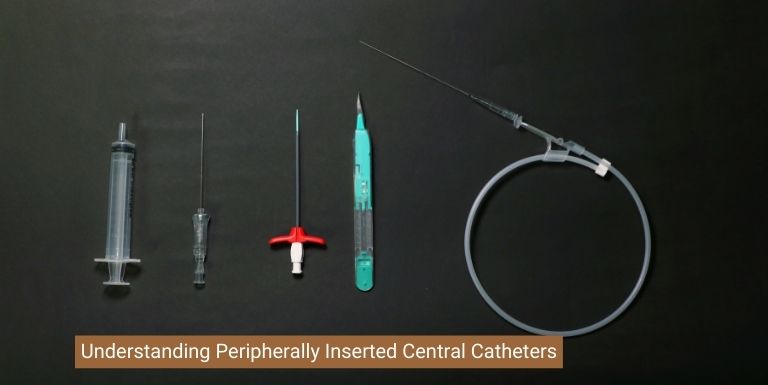
A Peripherally Inserted Central Catheter (PICC), often referred to as a PICC line, is a medical device used to provide long-term intravenous access for patients who require frequent or extended treatments such as chemotherapy, antibiotics, dialysis, or nutritional support. Unlike traditional intravenous (IV) lines that only reach the veins near the surface of the skin, a PICC line is inserted into a peripheral vein, typically in the arm, and advanced into the larger veins near the heart.
A PICC line is a long, flexible tube inserted into one of the peripheral veins (usually in the upper arm) and threaded into the central veins of the body, typically near the superior vena cava — the large vein that carries blood to the heart. It is designed for long-term intravenous access and can remain in place for weeks, months, or even longer, depending on the patient’s needs.
Unlike central venous catheters (CVC), which are often inserted through the neck or chest, a PICC line is inserted through a peripheral vein, making it a less invasive option for accessing the bloodstream.

A PICC line functions by providing a pathway for fluids, medications, and blood products to be delivered directly into the bloodstream. Here’s how it works:
A PICC line offers numerous advantages over traditional intravenous (IV) catheters, particularly in the context of long-term treatment:
One of the main benefits of a PICC line is its ability to provide long-term vascular access for patients who need repeated treatments, such as those undergoing chemotherapy, dialysis, or those with chronic infections requiring extended antibiotic therapy.
Unlike central venous catheters (CVCs) that are inserted through the chest or neck, PICC lines are inserted through peripheral veins, reducing the risk of complications such as infection or thrombosis.
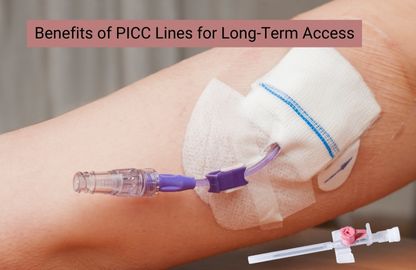
For patients, PICC lines are often more comfortable than traditional IV lines, as they do not need to be replaced frequently. They can be left in place for an extended period without causing discomfort or requiring constant adjustment.
PICC lines can be used for a variety of purposes, including administering fluids, medications, blood products, and drawing blood for testing. This versatility makes the PICC line a preferred option for patients who need long-term intravenous access.
A PICC line is commonly used in several medical situations:
Patients undergoing chemotherapy often require PICC lines for safe and effective delivery of chemotherapy drugs, especially those that may irritate smaller veins. The PICC line ensures that medication is delivered directly into larger veins, reducing the risk of vein damage and irritation.
For patients with chronic infections, a PICC line can be used to administer antibiotics or antifungal medications over a long period. This allows for continuous treatment without the need for repeated needle sticks.
In cases where traditional dialysis access sites (such as an AV fistula) are unavailable or unsuitable, a PICC line may be used for hemodialysis. It provides a temporary, reliable access route to the bloodstream during dialysis treatment.
For patients who cannot take food orally or are suffering from severe malnutrition, PICC lines are commonly used to administer total parenteral nutrition (TPN), providing necessary nutrients directly into the bloodstream.
Inserting a PICC line is typically a minimally invasive procedure that can be performed in a hospital or outpatient setting. The process involves:
Proper care and maintenance are critical for the longevity and effectiveness of a PICC line. Patients and caregivers must ensure that:

A PICC line is an essential tool in modern medicine, providing long-term, secure vascular access for a variety of treatments, including chemotherapy, dialysis, and parenteral nutrition. It offers numerous benefits over traditional intravenous lines, including extended use, reduced complications, and improved patient comfort.
Understanding how PICC lines work, when they are used, and how they are cared for is crucial for patients who rely on this device for ongoing treatment.
At St. Stone, we are committed to providing high-quality medical devices for a variety of treatments. We offer a wide range of vascular access solutions, including PICC lines, central venous catheters, and other essential products for dialysis, chemotherapy, and nutritional support.
Our PICC lines are designed to ensure reliable, long-term access for patients requiring intravenous treatments, with a focus on patient comfort and safety. For more information on our product offerings or to place an order, visit St. Stone today and discover our comprehensive range of medical devices and dialysis consumables.
We are recognized as one of the leading manufacturers, exporters, and suppliers of a diverse range of high-quality medical devices in India. Our products, including Interventional Cardiology, Nephrology, Anaesthesia, General Consumables, and Critical Care Accessories, are designed to meet the highest standards of excellence, ensuring reliable performance and patient care.
A – 8, Kuraopokpi industrial Estate,
Thoubal (kakching) Imphal,
Manipur – 795001, India.