
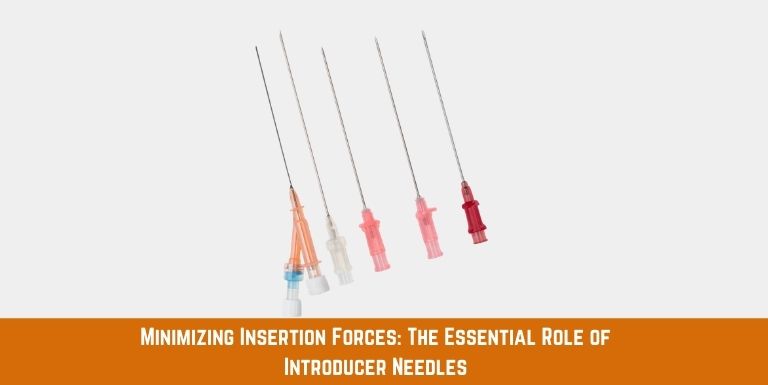
In medical procedures, particularly those involving vascular access or catheter insertion, the efficiency and safety of the process are paramount. One of the key components that play a significant role in improving these factors is the introducer needle. While the introducer needle itself may seem like a simple tool, its design and function are essential for minimizing insertion forces, which directly contribute to better patient outcomes and reduced procedural complications.
Insertion forces refer to the resistance encountered when a needle is advanced through tissue and in medical procedures, reducing this resistance is critical. Introducer needles are specifically engineered to minimize the forces applied during insertion, which is crucial for both patient comfort and procedural success. By reducing insertion forces, healthcare providers can avoid complications like vascular injury, tissue damage and excessive bleeding, ensuring that the procedure proceeds smoothly and with minimal discomfort to the patient.
The use of introducer needles in controlling insertion forces becomes clear when you consider the delicate nature of human tissue and the complexity of certain procedures, such as catheterization and dialysis. For example, an introducer needle with a precision-engineered tip can slide more smoothly through tissue, reducing friction and the risk of damaging surrounding structures. This precise engineering allows for more controlled and accurate needle placement, thus minimizing trauma to blood vessels and surrounding tissues.
 Call Us Now!
Introducer needles are often designed with features that specifically target the reduction of insertion forces. For instance, the needle’s bevel design, which refers to the angle at which the needle tip is sharpened, plays a significant role in how easily it penetrates tissue. A sharper bevel, for example, reduces the resistance during insertion, as it allows for smoother penetration without the need for excessive force.
The materials used in the construction of the introducer needle also impact insertion forces. High-quality, smooth-coated stainless steel is commonly used because it provides both strength and a smooth surface, reducing friction against tissues. Furthermore, the internal lumen of the needle – through which a guidewire or catheter will pass – must be precisely calibrated to ensure that it does not obstruct or increase the force required to insert these devices.
The most common application of introducer needles is in vascular access procedures, including both central and peripheral catheterization. In these procedures, minimizing insertion forces is especially critical, as the goal is often to access veins or arteries with minimal disruption. For instance, in critical care environments or during interventional cardiology procedures, the introducer needle ensures that guidewires and catheters can be placed accurately without damaging the surrounding blood vessels.
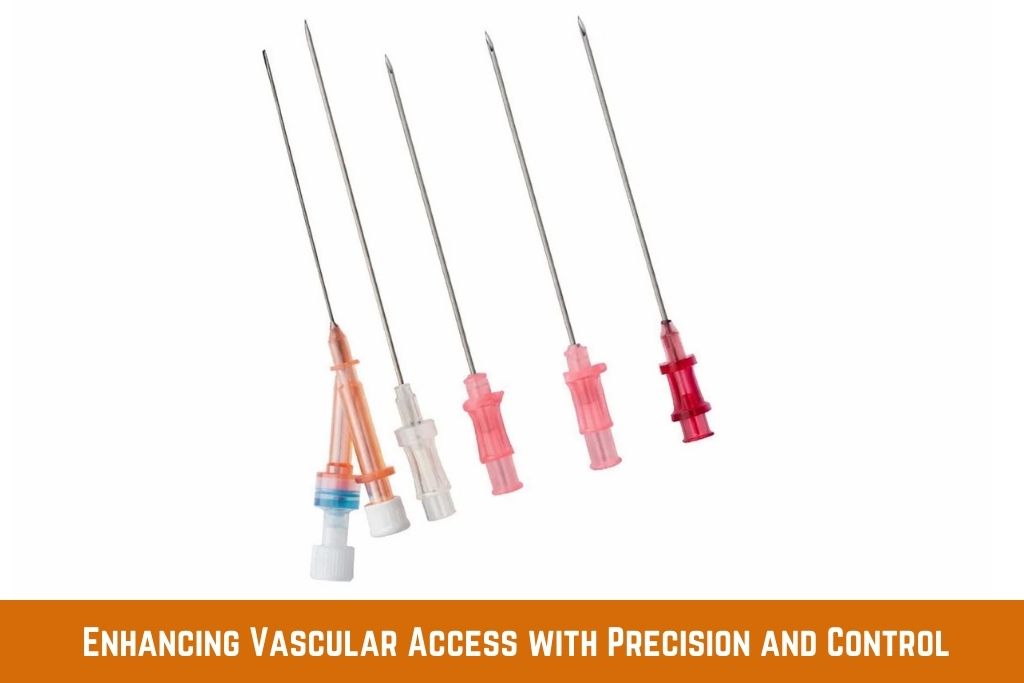
By using a needle with these precise specifications, clinicians can reduce the likelihood of adverse events like accidental puncture of an artery or vein or unnecessary bruising of surrounding tissues. The result is not only improved clinical outcomes but also enhanced patient comfort during and after the procedure.
Different medical procedures require different types of introducer needles, each designed to meet specific clinical requirements. The right introducer needle manufacturer provides a variety of needles, each tailored to the specific needs of the healthcare provider. For example, the gauge, length and hub type of the needle all influence how much force is needed during insertion and selecting the correct configuration for the patient and procedure is essential.
A reliable introducer needle distributor will offer a range of options, ensuring that healthcare providers have access to needles that meet the needs of their patients. Whether for routine vascular access or more complex procedures such as dialysis or catheter insertion, the right needle will make a difference in reducing the overall insertion force required, minimizing the risk of complications and enhancing the efficiency of the procedure.
Minimizing insertion forces does more than just reduce physical trauma during the procedure – it also has a significant impact on overall procedural efficiency. When the right introducer needles is used, clinicians can complete procedures more quickly, with fewer complications and with less likelihood of needing to repeat an attempt. This efficiency not only improves patient safety but also reduces the overall stress and strain on the healthcare team.
By lowering the forces required to access blood vessels or other tissues, the need for multiple attempts is minimized, reducing the potential for infection, hematoma formation and other complications that can arise from unnecessary needle insertion or poor technique. These benefits are especially important in high-stakes environments, such as intensive care units, operating rooms and emergency departments, where time and precision are critical.
The design and function of the introducer needle are essential for minimizing insertion forces during medical procedures. By reducing friction, controlling the angle of insertion and selecting materials that enhance smooth needle passage, healthcare professionals can ensure safer, more effective procedures. The importance of using high-quality, precisely engineered introducer needles cannot be overstated, as it directly affects the comfort of the patient, the efficiency of the procedure and the overall success of the treatment.
As the medical field continues to evolve, the role of the introducer needle remains a crucial component of medical procedures that require vascular access, catheterization and other delicate tasks. By working with trusted introducer needle manufacturers and distributors, healthcare providers can access the tools they need to ensure the best possible outcomes for their patients.
We are recognized as one of the leading manufacturers, exporters, and suppliers of a diverse range of high-quality medical devices in India. Our products, including Interventional Cardiology, Nephrology, Anaesthesia, General Consumables, and Critical Care Accessories, are designed to meet the highest standards of excellence, ensuring reliable performance and patient care.
A – 8, Kuraopokpi industrial Estate,
Thoubal (kakching) Imphal,
Manipur – 795001, India.