Read Our Article
How Spinal Needle Innovation Improves Safety in Epidural and Spinal Anesthesia Procedures?
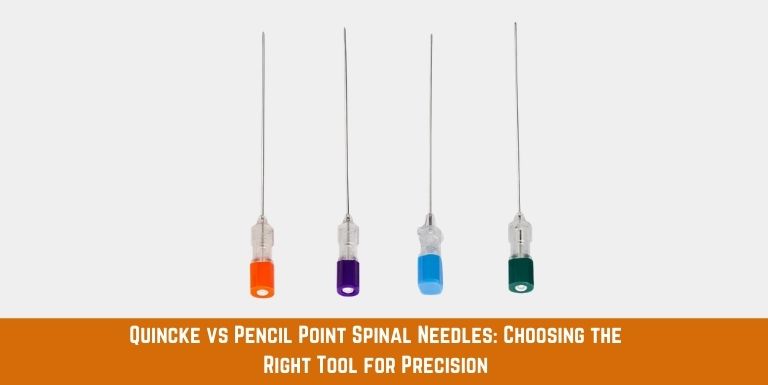
Selecting the appropriate spinal needle for medical procedures is crucial for both patient safety and the success of the procedure. The choice between a Quincke-type spinal needle and a pencil-point spinal needle can have significant implications on the precision and outcome of spinal procedures. Understanding the differences between these two types of needles is essential for healthcare providers, ensuring that the right one is chosen based on specific medical needs. This article delves into the considerations of Quincke and pencil-point spinal needles, exploring their applications, effectiveness and impact on procedural accuracy.
 Email Us Now!
When it comes to precision in spinal procedures, the design and function of the spinal needle are of paramount importance. Among the available options, two types dominate: the Quincke-type and the pencil-point spinal needle. Both have distinct features, making them suitable for different applications, but the key difference lies in their sharpness, bevel design and the way they interact with spinal tissues.
A Quincke-type spinal needle is often favored for its sharp, cutting bevel, which facilitates an easy puncture of the spinal dura mater and other tissues. Its sharp point allows for a controlled, precise puncture with a relatively low insertion force, which is particularly useful in procedures such as lumbar punctures. The Quincke needle’s bevel design enables excellent tactile feedback during insertion, providing a sense of depth and resistance that allows the practitioner to gauge the right amount of pressure and control. This tactile sensation is crucial when navigating delicate spinal structures to ensure proper needle placement.
In contrast, the pencil-point spinal needle features a more rounded, non-cutting tip. This design allows the needle to separate tissue rather than cut through it, which can reduce the trauma caused during insertion. Pencil-point needles are known for causing minimal tissue disruption, making them ideal for procedures where tissue integrity is critical, such as in epidural injections. Their design helps reduce the risk of complications like post-procedural headaches or bleeding, which are more common with cutting needles.
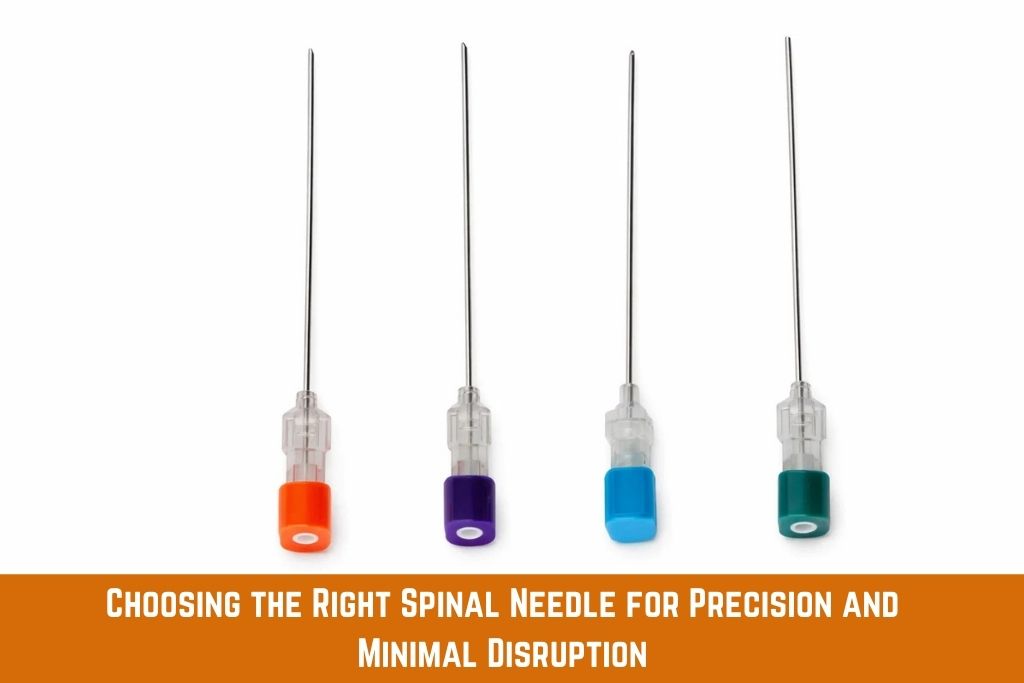
Choosing between a Quincke-type and a pencil-point spinal needle often depends on the procedure being performed and the desired outcome. Both types have specific applications that align with their unique features, making them suited for different spinal procedures.
The Quincke-type spinal needle is widely used in diagnostic procedures like lumbar punctures, where the primary goal is to collect cerebrospinal fluid (CSF) for analysis. The sharp bevel of the Quincke needle allows for precise entry into the subarachnoid space, where the CSF resides. The controlled cutting action makes it easier to puncture the dura mater with minimal effort, providing a fast and effective way to access the spinal fluid without causing significant tissue damage. However, while the Quincke needle offers great precision, its sharp bevel can sometimes cause a larger puncture hole, which may increase the risk of post-procedural headaches or a cerebrospinal fluid leak if not properly managed.
On the other hand, the pencil-point spinal needle excels in procedures that require minimal tissue disruption. For example, when performing an epidural injection or conducting spinal anesthesia, a pencil-point needle is often preferred. Its design reduces the force needed to insert the needle and minimizes the risk of cutting through nerve tissues or blood vessels. The rounded tip also helps to reduce the likelihood of creating a dural puncture, which is a common concern during epidural procedures. As a result, the pencil-point needle is often chosen for its ability to preserve tissue integrity, reduce trauma and lower the risk of complications like post-procedural back pain or spinal headaches.
Our Other Product
Bone Marrow Biopsy NeedleOne of the most important factors when choosing between a Quincke and pencil-point spinal needle is the need for precision. Both types offer a level of precision, but in different ways. The Quincke needle, with its sharp bevel, provides excellent tactile feedback, allowing practitioners to feel resistance and gauge depth during insertion. This feedback is crucial for navigating delicate tissues and ensuring the needle reaches the correct location in the spinal column.
However, the precision offered by the quincke needle may come at the cost of increased tissue damage. Its cutting bevel may cause more trauma to surrounding tissues, particularly in highly sensitive areas like the epidural space. In contrast, the pencil-point needle’s rounded, non-cutting design reduces tissue trauma, allowing for a smoother insertion. The lack of sharp cutting edges means that the needle glides through tissues more gently, but this may also result in less tactile feedback during the procedure.
When conducting spinal procedures that require extreme accuracy, such as spinal anesthesia or the placement of a spinal introducer needle, the precision and tactile feedback of a Quincke-type needle can be more advantageous. Its cutting bevel allows for a more controlled insertion into specific target areas, which is essential when navigating the spinal column.
In spinal procedures, minimizing trauma and reducing complications are top priorities. While the Quincke-type spinal needle offers more precision in terms of puncture control, it may cause more tissue damage and increase the likelihood of complications such as headaches or a dural puncture. The pencil-point spinal needle, on the other hand, provides a gentler approach to tissue separation, which helps reduce the risk of bleeding, nerve injury and post-procedural pain.
Both needle types are designed with precision-ground stylets, which help minimize tissue coring and ensure smooth gliding. These features optimize the overall insertion process, reducing friction and improving ease of use. However, when choosing between the two, it’s important to consider the patient’s individual needs and the specific procedure being performed. For example, if the procedure requires a needle with minimal impact on surrounding tissues, a pencil-point needle would likely be the better choice. However, if the focus is on reaching a specific target with precision, a Quincke needle may be more suitable.
For healthcare providers looking to obtain high-quality spinal needles, working with a reputable spinal needle manufacturer is essential. These professionals can provide guidance on the best needle type for a particular procedure, ensuring that the correct tool is used for the job. Manufacturers often offer a variety of needle options, including Quincke-type and pencil-point needles, allowing practitioners to select the right spinal needle based on their procedural needs and patient requirements.
Moreover, the availability of spinal introducer needles can also enhance the accuracy and ease of needle insertion during spinal procedures. These introducers provide additional support, making it easier to guide the spinal needle into the correct position with minimal resistance. Working with a reliable distributor ensures that practitioners have access to the latest advancements in spinal needle technology and can make informed decisions about which tools to use.
Our Other Product
Nitinol Guidewire Call Now!
The decision between a Quincke-type spinal needle and a pencil-point spinal needle is not one to be taken lightly. Both types offer unique advantages and are suited to specific spinal procedures. The Quincke-type spinal needle excels in precision and tactile feedback, making it ideal for procedures that require an accurate puncture, such as lumbar punctures. However, its sharp bevel may cause more tissue disruption and increase the risk of complications.
On the other hand, the pencil-point spinal needle offers a gentler, less traumatic insertion, reducing the risk of post-procedural pain and complications. This makes it particularly suitable for epidural procedures and other treatments where tissue preservation is essential. Ultimately, the choice between these two needle types depends on the specific needs of the procedure and the patient’s condition.
By carefully considering the benefits and applications of both the Quincke and pencil-point spinal needles, healthcare providers can ensure that they choose the right tool for optimal precision and minimal patient risk. Whether working with a spinal needle manufacturer or a trusted distributor, the right spinal needle will play a crucial role in achieving successful outcomes for spinal procedures.
We are recognized as one of the leading manufacturers, exporters, and suppliers of a diverse range of high-quality medical devices in India. Our products, including Interventional Cardiology, Nephrology, Anaesthesia, General Consumables, and Critical Care Accessories, are designed to meet the highest standards of excellence, ensuring reliable performance and patient care.
A – 8, Kuraopokpi industrial Estate,
Thoubal (kakching) Imphal,
Manipur – 795001, India.