
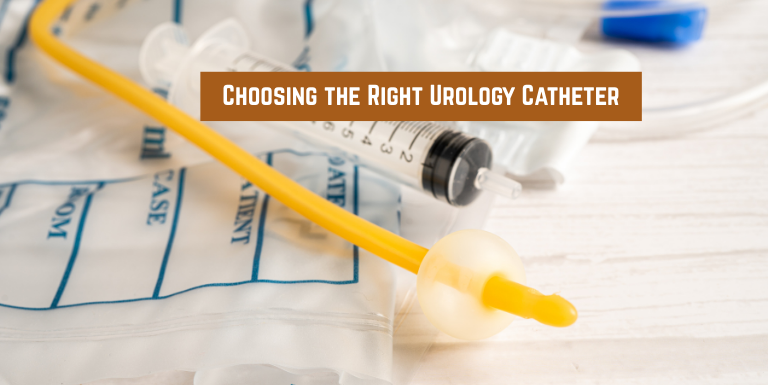
In urology, selecting the appropriate catheter or stent is critical to ensuring effective treatment and patient comfort. Urology catheters are widely used for managing urinary conditions such as urinary retention, bladder drainage, kidney stones, and obstructions in the urinary tract. Among the most commonly used urology devices are the Foley Balloon Catheters, Double J Stents, and Ureteral Stents. Each device has distinct features and specific applications in urological care.
This article will guide healthcare professionals and patients through the key differences between these devices, their uses, advantages, and best practices to help you choose the right one based on clinical needs.
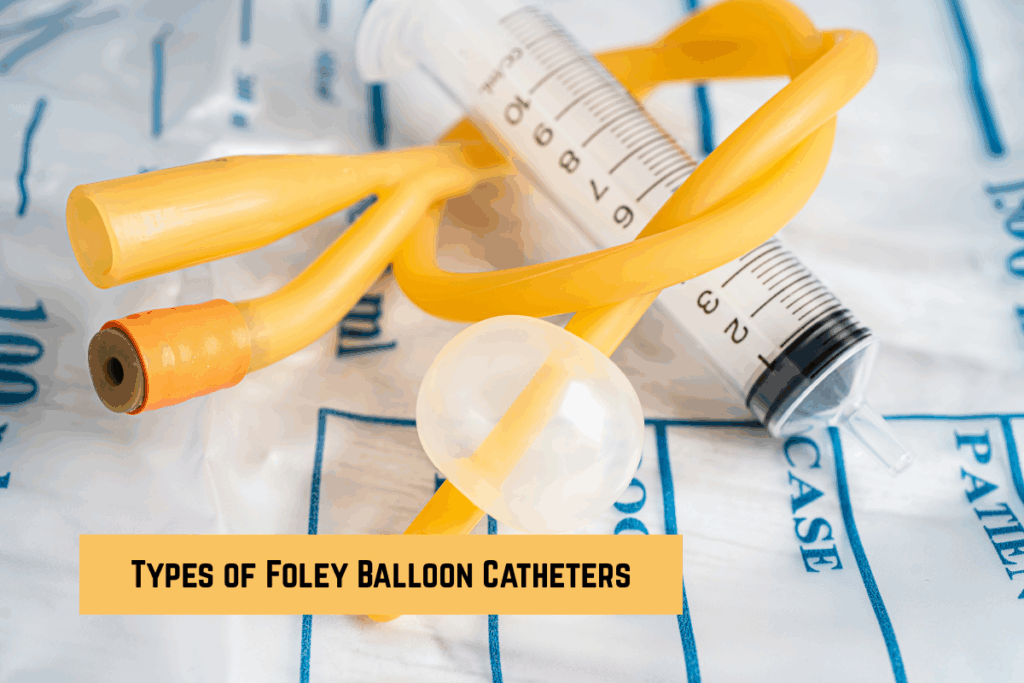
A Foley Balloon Catheter is a type of urinary catheter primarily used for bladder drainage and urinary retention management. It is typically used when a patient is unable to urinate on their own due to an obstruction, surgery, or medical condition affecting the urinary system. The catheter consists of a tube with an inflatable balloon at the end, which is placed inside the bladder. The balloon is inflated once the catheter is inserted to secure it in place and prevent accidental dislodgement.

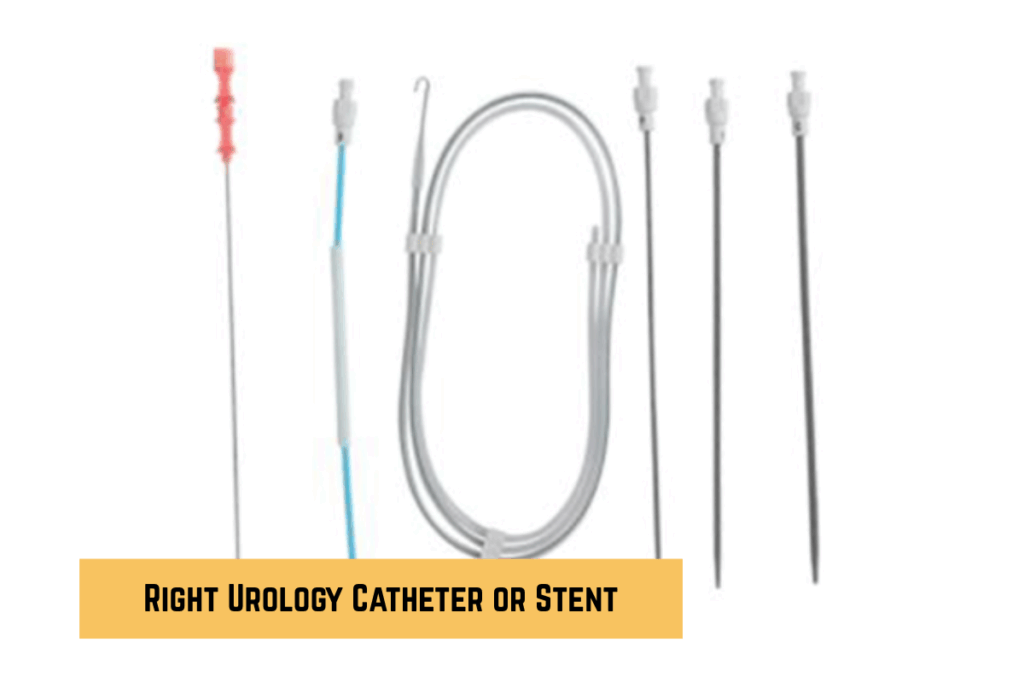
A Double J Stent is a small, flexible tube inserted into the ureter (the duct that connects the kidney to the bladder) to facilitate the flow of urine from the kidney to the bladder. It is shaped like a “J” at both ends to secure it in place, hence the name Double J Stent. This stent is used to treat conditions where the ureter is blocked or narrowed due to kidney stones, tumors, or strictures.
Ureteral stents are similar to Double J stents, but they are used in a broader range of applications, including treating ureteral strictures, obstructions, or managing the flow of urine after surgery. Unlike Double J stents, which have two J-shaped ends, some ureteral stents have a straight design and may be used temporarily to help the ureter heal after trauma or surgery.
Choosing the right catheter or stent depends on the patient’s condition, the severity of the obstruction or urinary issue, and the recommended treatment plan. Below is a comparison of Foley Balloon Catheters, Double J Stents, and Ureteral Stents to help guide the decision-making process:
Feature | Foley Balloon Catheter | Double J Stent | Ureteral Stent |
Purpose | Bladder drainage and urinary retention | To relieve ureteral obstruction | To treat ureteral strictures or injuries |
Placement | Inserted into the bladder | Inserted into the ureter | Inserted into the ureter |
Duration of Use | Short-term or long-term use | Typically used for 1-3 weeks | Short-term (temporary) or long-term |
Best For | Urinary retention and post-surgery care | Kidney stones, ureteral obstructions | Post-surgery, stricture management |
Advantages | Simple to insert, effective for drainage | Ensures urine flow from the kidney | Helps heal the ureter after surgery |
Complications | Infection, catheter displacement | Discomfort, infection, migration | Infection, discomfort, migration |
Healthcare professionals should carefully evaluate each patient’s condition, anatomy, and the intended duration of treatment when choosing between these options.

At St. Stone, we are proud to be a leading manufacturer and supplier of high-quality urology catheters and stents. We offer a wide range of Foley Balloon Catheters, Double J Stents, Ureteral Stents, and other essential urology devices, designed to provide optimal care and comfort for patients undergoing urological treatments.
Our urology catheters and stents are made with precision and reliability, ensuring durability and effectiveness in managing urinary conditions. Whether for short-term or long-term use, St. Stone’s products are crafted to support patient well-being and ensure successful treatment outcomes.
For more information or to place an order, visit St. Stone today and explore our full range of urology products designed to meet the needs of healthcare providers and patients.
We are recognized as one of the leading manufacturers, exporters, and suppliers of a diverse range of high-quality medical devices in India. Our products, including Interventional Cardiology, Nephrology, Anaesthesia, General Consumables, and Critical Care Accessories, are designed to meet the highest standards of excellence, ensuring reliable performance and patient care.
A – 8, Kuraopokpi industrial Estate,
Thoubal (kakching) Imphal,
Manipur – 795001, India.