
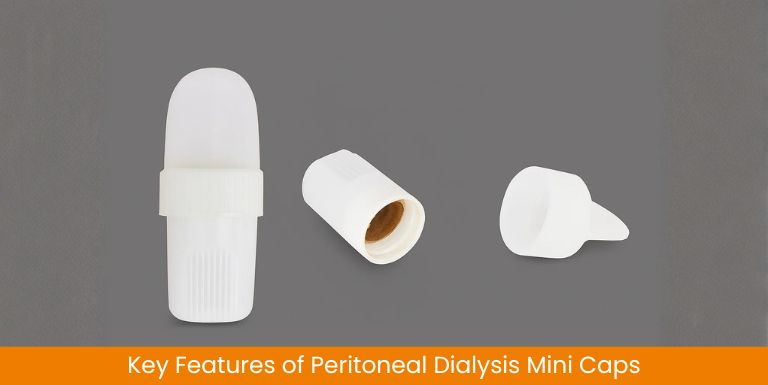
In the realm of peritoneal dialysis, ensuring sterile connections and maintaining fluid integrity are vital for patient safety and treatment efficacy. One critical component that plays an essential role in this process is the MINICAP transfer set, commonly known as a mini cap for use in peritoneal dialysis systems. This article focuses on the design, functionality and key features of mini caps, shedding light on why these components are indispensable in modern peritoneal dialysis procedures.
Peritoneal dialysis (PD) is a widely utilized treatment option for patients with end-stage renal disease (ESRD). This process involves the infusion of dialysate into the peritoneal cavity through a catheter, where waste products and excess fluids are filtered out via the peritoneal membrane. As with any medical procedure, maintaining a sterile environment is paramount to prevent infections and ensure the success of the treatment.
Mini caps, particularly the MINICAP transfer set, are a vital part of the peritoneal dialysis system. These devices help maintain sterility and integrity in the dialysis circuit, particularly during the disconnection and reconnection processes. In this article, we will delve into the design and functionality of mini caps and explore the key features that make them a crucial component in peritoneal dialysis systems.

The MINICAP transfer set is specifically designed to connect the dialysis system to the catheter, ensuring a secure and sterile transfer of fluids. The mini cap serves as an essential barrier that helps prevent contamination during the process of connecting and disconnecting the dialysis bag from the catheter. Let’s break down the design elements and functionalities that make mini caps so effective in this role.
A significant feature of the mini cap dialysis set is its sterile closure mechanism. The cap is designed to seal the connection between the dialysis catheter and the tubing, effectively preventing bacteria or other contaminants from entering the system during the disconnection process. This feature is crucial in maintaining the sterility of the system and preventing peritonitis, which is a common and serious complication in peritoneal dialysis.
Mini caps typically come with a built-in locking system that securely fastens the cap onto the catheter, ensuring that the connection remains intact during the entire dialysis cycle. This tight seal helps maintain the integrity of the dialysis system, reducing the risk of infections and other complications.
The mini cap for use in peritoneal dialysis systems is designed to be user-friendly, ensuring that healthcare professionals and patients can easily handle the component during the dialysis procedure. The cap is lightweight, compact and easy to attach or remove, which helps reduce the time spent on the procedure, making the process more efficient for both medical staff and patients.

Moreover, the intuitive design ensures that the mini cap can be used with minimal training. Its simplicity and ease of use are vital, especially in home dialysis settings where patients manage their treatments independently.
One of the essential features of the minicap disconnect cap is its broad compatibility with various peritoneal dialysis systems. Whether used in conjunction with automated peritoneal dialysis (APD) machines or manual systems, the mini cap is designed to function seamlessly across different setups.
The MINICAP transfer set is engineered to provide a secure connection regardless of the dialysis system in use. This flexibility makes it an indispensable tool for both in-hospital dialysis treatments and home-based dialysis care.
In addition to the essential design elements that ensure functionality, there are several key features that make the mini cap dialysis set a preferred choice in peritoneal dialysis systems.
Mini caps are typically constructed from high-quality, medical-grade materials that ensure the safety and durability of the device. These materials are resistant to wear and tear, allowing for extended use during dialysis treatments. Moreover, the materials are biocompatible, meaning they are unlikely to cause adverse reactions when in contact with the body.
The use of these high-grade materials also ensures that the MINICAP dialysis kit can withstand the conditions of peritoneal dialysis, including the exposure to dialysate fluids and changes in temperature during treatment cycles.
The functionality of the mini cap for use in peritoneal dialysis systems hinges on its ability to provide secure, leak-proof connections. These caps are designed with tight-fitting seals that prevent fluid leakage, which is crucial for maintaining the proper fluid balance during the dialysis process.
Leak-proof connections also contribute to patient safety by preventing accidental exposure to dialysis fluids, which could pose health risks. By ensuring a secure seal, the MINICAP transfer set guarantees that the dialysis process can proceed without any disruptions or contamination.
Another standout feature of the minicap disconnect cap is its ergonomic design. The cap is easy to handle, even for patients who are managing their dialysis treatment at home. It is designed to be easily gripped and twisted onto the catheter without requiring excessive force, making it ideal for those with limited hand strength or dexterity.
This user-friendly design can be a significant factor in improving patient compliance, as it reduces the chance of errors during the setup and disconnection processes. Additionally, it promotes independence for patients, allowing them to manage their peritoneal dialysis more confidently.
Infections, particularly peritonitis, are one of the leading complications of peritoneal dialysis. As mentioned earlier, maintaining a sterile environment is essential for reducing infection risk. The mini cap dialysis set plays a significant role in preventing the entry of harmful microorganisms into the dialysis system.
By providing a secure, closed system, mini caps ensure that the connection points between the catheter and the dialysis tubing remain sealed. This is crucial in preventing the introduction of bacteria or fungi, which can cause serious infections if they enter the peritoneal cavity. The MINICAP transfer set minimizes the chances of contamination during routine disconnections, significantly reducing the risk of infection and improving the overall success of peritoneal dialysis treatments.

The MINICAP transfer set and its associated components, are integral to ensuring the success of peritoneal dialysis treatments. Their design, functionality and key features – such as sterility, secure connections and ease of use – make them indispensable tools for both healthcare providers and patients.
These mini caps contribute significantly to patient safety by preventing infection, maintaining the integrity of the dialysis system and ensuring the efficiency of the treatment process. Whether in a clinical setting or at home, mini caps are a critical part of the peritoneal dialysis system, playing a key role in achieving optimal treatment outcomes.
We are recognized as one of the leading manufacturers, exporters, and suppliers of a diverse range of high-quality medical devices in India. Our products, including Interventional Cardiology, Nephrology, Anaesthesia, General Consumables, and Critical Care Accessories, are designed to meet the highest standards of excellence, ensuring reliable performance and patient care.
A – 8, Kuraopokpi industrial Estate,
Thoubal (kakching) Imphal,
Manipur – 795001, India.