
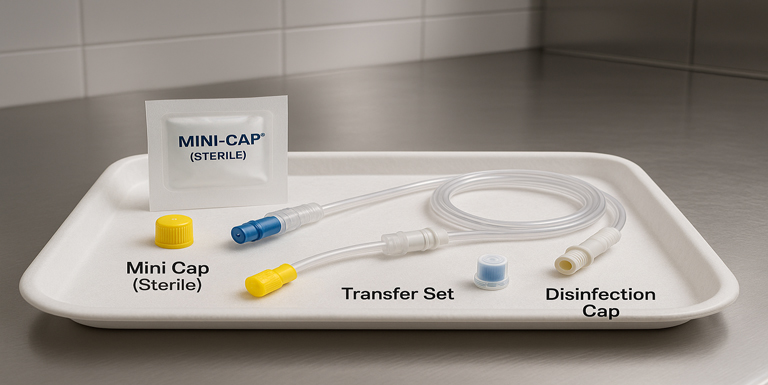
Peritoneal dialysis (PD) is a critical renal replacement therapy that enables patients with end-stage renal disease (ESRD) to manage their kidney function at home. The procedure involves the infusion and drainage of dialysate through a catheter inserted into the peritoneal cavity. To ensure the efficiency and safety of the dialysis process, maintaining sterility and preventing contamination is paramount. One of the key components used to achieve this goal in PD systems is the minicap transfer set. These small, specialized devices play a critical role in preventing infection, ensuring occlusion and maintaining the integrity of the system during and between dialysis exchanges.
The minicap dialysis kit is designed to serve as a protective cover for various components of the peritoneal dialysis system, such as connectors and ports. The mini cap for use in peritoneal dialysis systems prevents exposure to environmental contaminants, minimizes the risk of infections like peritonitis and contributes to overall system performance. This article explores the clinical role of mini caps, focusing on their function in maintaining sterility and occlusion within peritoneal dialysis systems and discusses the importance of using these products for optimal patient safety and treatment efficacy.
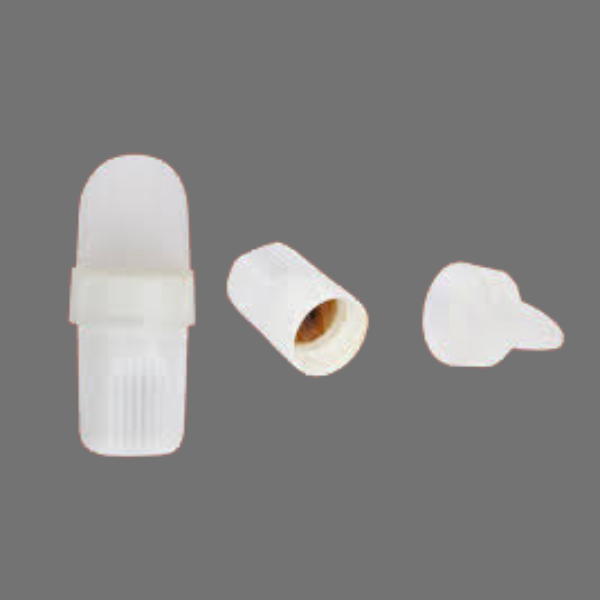
A minicap transfer set is a small yet crucial component of the peritoneal dialysis setup. Its primary function is to cover the catheter connection points, including the catheter itself, the transfer set and any other connection points used in dialysis. By doing so, the mini cap for use in peritoneal dialysis systems helps to seal off these vulnerable openings from external contaminants, significantly reducing the risk of infection.
In peritoneal dialysis, the occlusion and sterility of the system are essential for ensuring safe and effective treatment. The presence of contaminants can lead to serious complications such as peritonitis, a life-threatening infection of the peritoneum.
The use of mini caps in peritoneal dialysis kit prevents such risks by creating a protective barrier and maintaining the sterile environment needed for successful treatment. Mini caps are typically made from biocompatible, sterile materials to ensure they do not introduce any harmful substances into the dialysis system.

Maintaining sterility is one of the primary concerns in peritoneal dialysis. Since the dialysis process involves direct contact with the peritoneum, any breach in sterility can lead to severe infections. The minicap dialysis kit is designed to maintain sterility at the connection points of the dialysis system.
Aside from maintaining sterility, mini caps play an important role in preventing occlusion, which is a blockage that can interfere with fluid flow through the dialysis system. Occlusion may occur when the catheter is exposed to air, moisture or other environmental contaminants, leading to clotting or the formation of biofilms inside the system. Biofilms are particularly dangerous, as they can harbor bacteria and contribute to infections like peritonitis.
A minicap transfer set is an essential tool in maintaining a sterile, functional peritoneal dialysis system. Several important features make these mini caps indispensable for ensuring the safety and efficacy of dialysis treatment:

The minicap transfer set plays an indispensable role in maintaining the sterility and functionality of the peritoneal dialysis system. Through its effective prevention of contamination and occlusion, mini caps contribute significantly to the safety, comfort and efficiency of peritoneal dialysis treatment. By ensuring a closed, sterile system and preventing the risk of infection or clotting, mini caps enhance the overall patient experience and treatment outcomes.
For healthcare providers, ensuring the availability and use of high-quality mini cap dialysis kits is essential in delivering safe, effective care to patients undergoing peritoneal dialysis. As the demand for home-based dialysis treatment increases, mini caps will continue to be a critical component in the successful management of dialysis therapy, improving patient safety and the overall efficacy of the treatment process.
We are recognized as one of the leading manufacturers, exporters, and suppliers of a diverse range of high-quality medical devices in India. Our products, including Interventional Cardiology, Nephrology, Anaesthesia, General Consumables, and Critical Care Accessories, are designed to meet the highest standards of excellence, ensuring reliable performance and patient care.
A – 8, Kuraopokpi industrial Estate,
Thoubal (kakching) Imphal,
Manipur – 795001, India.