

Peritoneal dialysis (PD) has long been a preferred treatment option for individuals suffering from chronic kidney disease, offering an alternative to hemodialysis by utilizing the peritoneum (the lining of the abdominal cavity) to filter out waste from the bloodstream. The effectiveness and safety of PD treatment hinge on many factors, one of which is the integrity of the connection between the dialysis catheter and the dialysis system.
Titanium adapters play a pivotal role in ensuring these connections remain secure, leak-proof and reliable. Titanium adapters are commonly used in medical applications where durability, corrosion resistance and biocompatibility are essential. This is particularly true in the case of peritoneal dialysis catheters, where any compromise in the connection could result in complications, including infections and treatment failure. This guide explores the importance of titanium adapters for peritoneal dialysis, focusing on how they ensure secure connections and contribute to patient safety.

In the context of peritoneal dialysis, the secure connection between the implanted dialysis catheter and the external dialysis system is critical for the treatment’s success. Any disruption or failure of this connection could lead to dangerous consequences, including bacterial contamination, fluid leakage or even catheter displacement.
The primary role of titanium adapters is to form a reliable and leak-resistant connection between the catheter and the external transfer set or extension catheter, which carries the dialysate in and out of the peritoneal cavity. Given that peritoneal dialysis is often a long-term treatment for patients, the durability of these components is paramount in ensuring that the patient remains safe and the treatment remains effective.
Titanium’s properties make it an ideal material for this purpose. It is corrosion-resistant, biocompatible and exceptionally strong, offering long-term reliability in a medical environment.
Corrosion Resistance for Longevity and Safety
One of the most significant advantages of using titanium adapters in peritoneal dialysis is their superior resistance to corrosion. The peritoneal dialysis process involves the constant exchange of dialysate, which can contain saline and other substances that might degrade certain materials over time. Titanium, however, does not corrode easily in these environments, making it the ideal choice for ensuring that the connection remains intact for the long term.
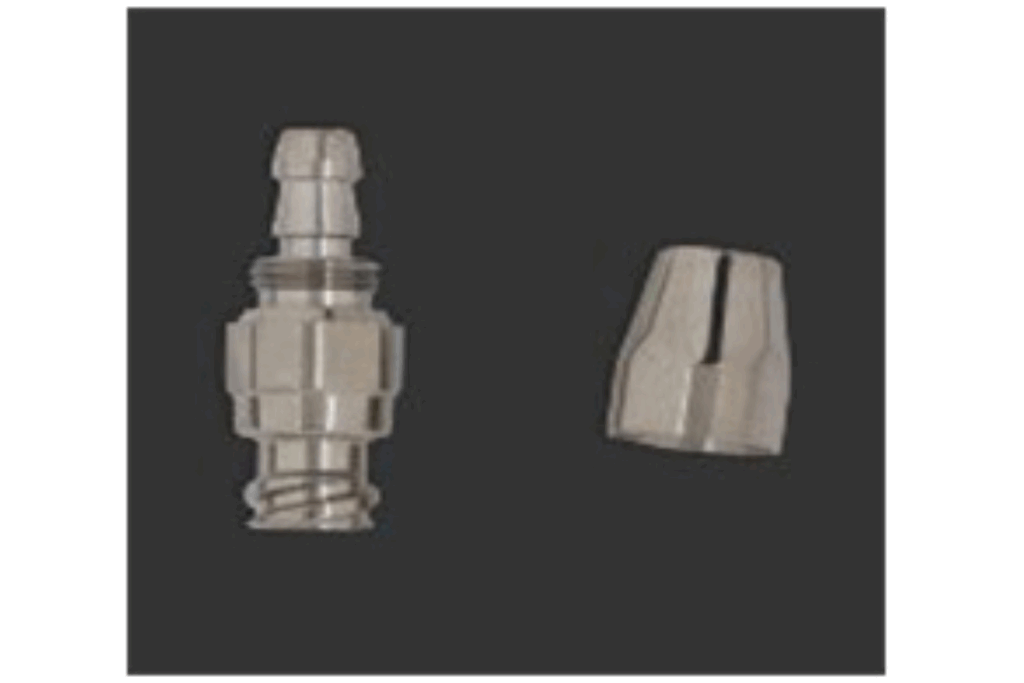
Corrosion can weaken the adapter, potentially compromising the entire system and allowing for leaks. Titanium’s resistance to corrosion reduces the risk of these complications, offering a high level of reliability for both patients and medical practitioners. As such, dialysis titanium adapters help maintain a clean, safe and effective dialysis process.
Biocompatibility: Minimizing the Risk of Infection
Biocompatibility is another key factor when choosing materials for medical devices. Titanium is highly compatible with the human body, causing minimal irritation or allergic reactions. In the context of peritoneal dialysis, this is particularly important because the catheter is implanted in the patient’s body and in contact with internal tissues.
Using titanium adapters ensures that the connection between the catheter and the external dialysis system will not cause any adverse immune reactions, helping to reduce the risk of infections like peritonitis. The titanium catheter adapter ensures that bacteria and other pathogens cannot easily penetrate the system, reducing the chances of infection that could interfere with dialysis treatment.
Strength and Durability
Titanium is well known for its excellent strength-to-weight ratio, making it a durable yet lightweight material. When used in dialysis titanium adapters, this strength ensures that the connection will withstand the pressures and mechanical stresses encountered during regular dialysis treatments.
In peritoneal dialysis, the connection between the catheter and the external system must remain intact even when the patient moves or when the system undergoes frequent manipulation. Titanium’s durability ensures that the CAPD titanium adapter can handle these stresses without degrading over time. Furthermore, the material’s toughness reduces the likelihood of breakage or deformation, which is crucial for maintaining a safe and functional dialysis system.
Precision Fit for Secure Connections
The design and manufacturing process of titanium catheter adapters ensure that they fit precisely with the dialysis catheter and external extension sets. These adapters are engineered to maintain tight tolerances, ensuring that the connection remains secure during the dialysis process.
A poorly fitting adapter can lead to disconnections, fluid leakage or even more severe complications like catheter dislodgement. By using titanium adapters, which offer excellent fit and seal, the connection remains stable and leak-free, preventing the risks associated with loose or improperly fitted components.
Locking Mechanism for Enhanced Security
One of the essential features of titanium adapters is the locking mechanism that holds the catheter and extension set together. This mechanism ensures that the connection remains secure throughout the dialysis process, preventing accidental disconnections that could disrupt the treatment.
The locking titanium adapter design is intended to be easy to use, allowing healthcare providers to quickly and safely connect and disconnect the system when needed. However, once locked, the connection remains firm and stable, with no risk of the adapter loosening during treatment. This ensures that the patient can undergo peritoneal dialysis without the concern of potential system failure.
Sealing Capabilities to Prevent Leaks
Leakage is a significant concern in peritoneal dialysis, as any fluid loss could result in complications for the patient, including fluid imbalance or infection. Titanium adapters excel in their ability to form leak-proof seals between the catheter and extension sets.
Because titanium is highly resistant to wear and tear, these titanium adapter for dialysis catheter connections remain secure, even under the constant fluid flow conditions found in peritoneal dialysis. The precision of the manufacturing process ensures that the adapter maintains a tight seal, preventing any leaks that could disrupt the flow of dialysate or pose a risk to the patient’s health.
Durable, Long-Lasting Performance
Due to their exceptional durability, titanium adapters can be used for extended periods without the need for frequent replacements. This reduces the frequency of interruptions in the dialysis process, which can be both inconvenient and potentially harmful to patients.
Over time, other materials used in dialysis connections may wear out or become damaged, requiring replacement and leading to system downtime. With titanium adapters, the patient’s dialysis treatment can proceed smoothly, without the need for constant maintenance or replacement of the adapter.

The role of titanium adapters in peritoneal dialysis catheters cannot be overstated. By providing a secure, leak-proof and durable connection between the catheter and the external dialysis system, these adapters ensure that peritoneal dialysis remains an effective and reliable treatment option for individuals with kidney failure.
The unique properties of titanium – its biocompatibility, corrosion resistance, strength and precision fit – make it an ideal material for this application. Titanium adapters not only improve the safety and efficiency of peritoneal dialysis but also contribute to better long-term outcomes for patients by reducing the risk of complications like infections and leakage.
For healthcare providers, titanium catheter adapters represent a reliable, cost-effective solution for enhancing the overall quality of peritoneal dialysis treatment. As the demand for dialysis treatment continues to grow, the adoption of dialysis titanium adapters will likely become even more critical in ensuring patient safety and treatment success.
We are recognized as one of the leading manufacturers, exporters, and suppliers of a diverse range of high-quality medical devices in India. Our products, including Interventional Cardiology, Nephrology, Anaesthesia, General Consumables, and Critical Care Accessories, are designed to meet the highest standards of excellence, ensuring reliable performance and patient care.
A – 8, Kuraopokpi industrial Estate,
Thoubal (kakching) Imphal,
Manipur – 795001, India.