Read Our Article
How Titanium Adapters Ensure Secure Connections in Peritoneal Dialysis Catheters?
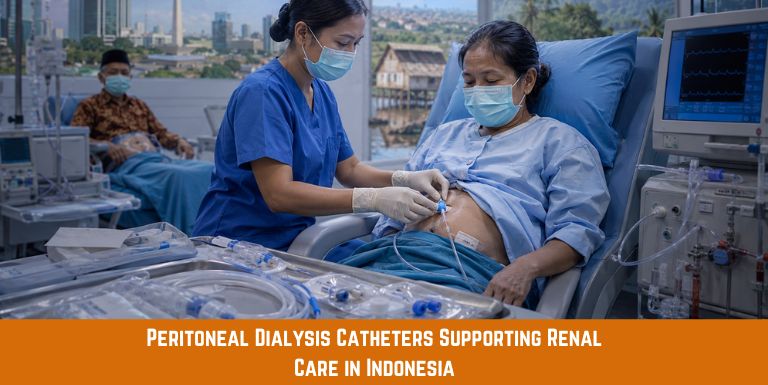
Chronic kidney disease is one of the fastest-growing health concerns across Southeast Asia and Indonesia is no exception. With a large and geographically dispersed population spread across cities like Jakarta, Surabaya, Bandung, Medan and Makassar, the demand for accessible renal replacement therapy has never been more urgent. Among the available treatment options, home-based renal therapy supported by peritoneal dialysis catheters is emerging as a practical and patient-friendly approach to managing end-stage renal disease (ESRD) in both urban and rural settings.
 Call Now
A peritoneal dialysis catheter serves as the primary access device for patients undergoing continuous ambulatory peritoneal dialysis (CAPD) or automated peritoneal dialysis (APD). Surgically placed into the peritoneal cavity, it allows dialysate fluid to enter and drain from the abdomen, clearing waste products and excess fluid from the body. In a country like Indonesia, where hemodialysis centers are concentrated mainly in major cities, this catheter-based home therapy offers patients in remote areas – including those in Sulawesi, Kalimantan and Papua – the ability to receive life-sustaining treatment without frequent hospital visits. The growing adoption of this approach highlights the critical importance of ensuring consistent access to high-quality catheter devices and supporting components across the country.
The peritoneal dialysis transfer set plays a key role in ensuring safe, sterile fluid exchange during each dialysis session. It connects the catheter to the dialysis bag and must be replaced regularly to minimize the risk of peritonitis, one of the most common complications in peritoneal dialysis therapy. In Indonesian cities such as Yogyakarta and Semarang, nephrology departments and dialysis centers are working to standardize protocols around transfer set usage to improve patient outcomes. For healthcare providers and procurement teams, sourcing reliable transfer sets from a verified peritoneal dialysis catheter supplier is essential to maintaining clinical safety and reducing infection-related hospital readmissions.
Our Other Product
Bone Marrow Biopsy NeedleThe peritoneal dialysis catheter kit brings together all essential components needed for catheter insertion in a single, sterile package. Designed to streamline the procedural setup for nephrologists and surgical teams, these kits reduce preparation time and minimize the risk of contamination during placement. Healthcare facilities in cities like Palembang, Balikpapan and Denpasar that are expanding their nephrology departments are increasingly relying on these complete kits to support consistent insertion procedures. When procurement teams evaluate options, they often prioritize kits from a trusted peritoneal dialysis catheter kit manufacturer that meets international quality standards and regulatory requirements applicable to the Indonesian medical device market.
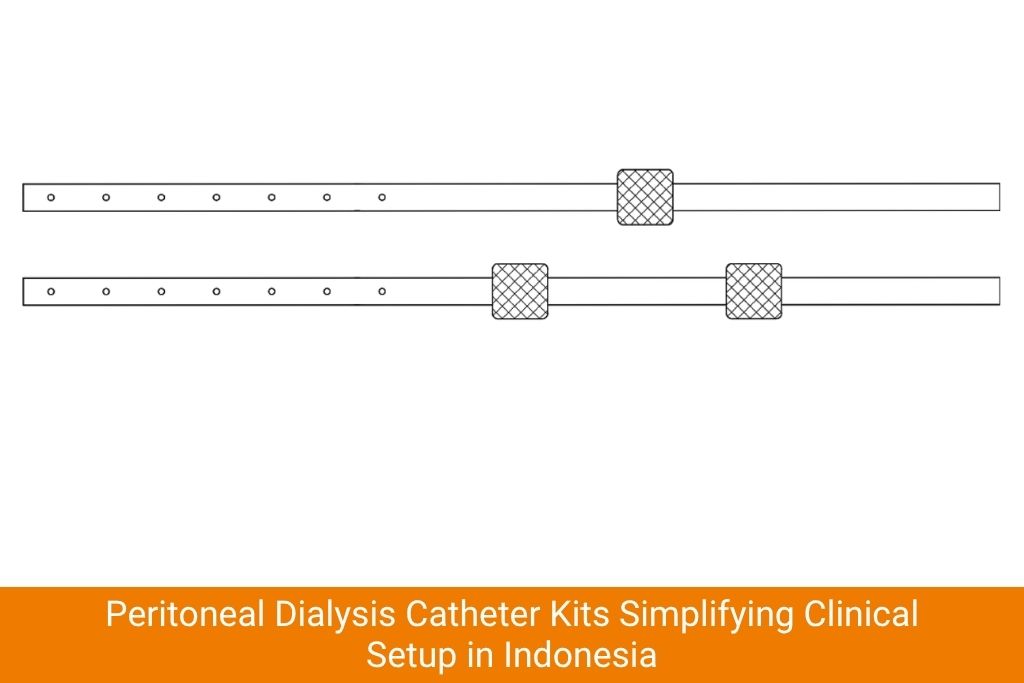
Beyond catheter insertion, the broader peritoneal dialysis kit encompasses the consumables and procedural tools needed throughout a patient’s dialysis journey. From connection devices to drainage bags, the kit approach ensures that healthcare facilities have a unified, traceable supply of compatible components. Across Indonesia’s public healthcare network – including regional referral facilities in smaller provinces – where supply chain efficiency directly impacts patient care quality, using a standardized peritoneal dialysis kit sourced from a single, accountable supplier reduces the risk of compatibility issues and procurement delays.
Read Our Article
Peritoneal Dialysis Catheter Systems: A Comprehensive OverviewOne of the most significant structural challenges in Indonesia’s renal care landscape is the unequal distribution of dialysis infrastructure. While cities like Jakarta and Surabaya have well-equipped nephrology units with trained medical staff, smaller cities and island communities often lack even the most basic dialysis access. National kidney health programs under the Indonesian Ministry of Health have recognized this potential and are working to integrate home-based peritoneal dialysis into the national health insurance framework (JKN), making it accessible to a broader patient population regardless of geographic location.
Healthcare institutions managing large patient volumes across cities such as Bandung and Medan require a dependable peritoneal dialysis catheter supplier that can provide consistent product quality, adequate stock and responsive logistical support. Supply disruptions in dialysis consumables can have immediate and serious consequences for patients who depend on daily treatment. A reliable supplier must not only offer clinically validated products but also maintain proper documentation for BPOM compliance, cold chain integrity and the capacity to support both scheduled and emergency orders across multiple facilities simultaneously.
For healthcare networks, government procurement agencies and distributors supplying dialysis products across multiple provinces, working with a peritoneal dialysis catheter kit bulk supplier is critical to achieving cost efficiency without compromising on quality. Bulk procurement allows institutions to negotiate favorable terms, ensure product availability and reduce the risk of stockouts during peak demand periods. In Indonesia’s decentralized healthcare system, where provincial health offices often manage their own procurement budgets, establishing long-term supply relationships with a bulk supplier that understands local regulations and distribution networks can significantly improve the continuity of renal care.
Our Other Product
Swan Neck Coil CathetersThe choice of peritoneal dialysis catheter kit manufacturer directly influences the clinical outcomes of patients undergoing peritoneal dialysis. Manufacturers who adhere to ISO 13485 standards for medical device quality management and whose products are CE-marked or FDA-cleared, offer healthcare providers the assurance needed to integrate these devices into standard treatment protocols. Healthcare facilities across Indonesia are increasingly seeking manufacturers who can provide not only the physical product but also clinical training materials, technical support and post-market surveillance data. This level of manufacturer engagement supports better patient management and reinforces confidence among nephrologists, nurses and patients alike.
 Email Us Today!
Indonesia’s national renal care strategy is evolving. Government initiatives aimed at strengthening primary healthcare infrastructure and expanding specialist services in tier-two cities are creating new opportunities for peritoneal dialysis to reach underserved populations. The integration of telemedicine platforms with home dialysis monitoring is also gaining traction, particularly in remote regions of Sulawesi, Kalimantan and Nusa Tenggara, where in-person follow-up is difficult. As awareness of ESRD management grows among general practitioners and community health workers, the referral pathway for patients toward appropriate renal replacement therapy – including home-based peritoneal dialysis – is becoming more structured and accessible across the country.
Our Other Product
Titanium AdapterPeritoneal dialysis catheters and the broader ecosystem of dialysis components represent a meaningful answer to Indonesia’s growing renal care crisis. By supporting home-based therapy, addressing geographic barriers and enabling consistent treatment for patients across cities like Jakarta, Surabaya, Makassar, Medan and beyond, these devices are reshaping how ESRD is managed in the country. For this progress to be sustained, healthcare systems, procurement agencies and medical device suppliers must work together to ensure that every patient – regardless of where they live – has access to safe, reliable and affordable peritoneal dialysis care.
We are recognized as one of the leading manufacturers, exporters, and suppliers of a diverse range of high-quality medical devices in India. Our products, including Interventional Cardiology, Nephrology, Anaesthesia, General Consumables, and Critical Care Accessories, are designed to meet the highest standards of excellence, ensuring reliable performance and patient care.
A – 8, Kuraopokpi industrial Estate,
Thoubal (kakching) Imphal,
Manipur – 795001, India.