
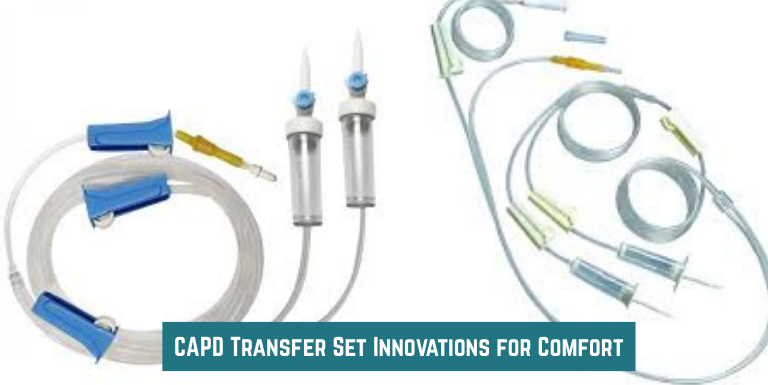
Continuous Ambulatory Peritoneal Dialysis (CAPD) is a widely used treatment option for patients suffering from end-stage renal disease. Unlike hemodialysis, CAPD offers the flexibility of performing dialysis at home, providing a more convenient option for patients. However, a crucial element of CAPD’s effectiveness and patient experience is the transfer set.
A transfer set is an essential component in CAPD systems, connecting the peritoneal dialysis catheter to the external dialysis fluid pipeline. The transfer set ensures the continuous flow of dialysate into and out of the peritoneal cavity, which is vital for the filtration process. Given the nature of CAPD, where patients often perform dialysis multiple times a day, the design and functionality of the transfer set directly impact patient comfort, safety and overall treatment success.
In recent years, innovations in transfer set design have focused on improving patient comfort, reducing complications and enhancing ease of use. Manufacturers have developed extended transfer sets with twist clamps, peritoneal dialysis transfer sets and other solutions that offer improved flexibility, functionality and ergonomics. This article explores how these innovations in transfer set design are enhancing the comfort of CAPD patients, ultimately leading to better treatment outcomes.

Extended Transfer Set for Greater Flexibility
One of the most significant innovations in transfer set design is the introduction of extended transfer sets. These sets are designed with added length to provide patients with greater flexibility during the dialysis process. The extended length ensures that patients have more room to move without pulling or putting tension on the catheter or transfer set. This increased mobility improves overall comfort, especially for patients who need to engage in daily activities during dialysis.
The extended transfer set’s flexibility also benefits healthcare providers, allowing for easier manipulation of the system when necessary. For patients who perform CAPD at home, the extended set can make the connection process more convenient by providing additional space between the catheter and the external dialysis equipment. This can be especially helpful when the patient is performing dialysis in a sitting position or in a space where mobility is limited.
Twist Clamp for Improved Fluid Control
Another key innovation in the design of Transfer Sets is the inclusion of a twist clamp. The twist clamp allows for precise control over the flow of dialysate, enabling patients or healthcare providers to regulate the fluid flow during the exchange process. This feature is particularly important for ensuring that the dialysis process is efficient and that there is no over- or under-flow of fluid, which can impact treatment effectiveness.
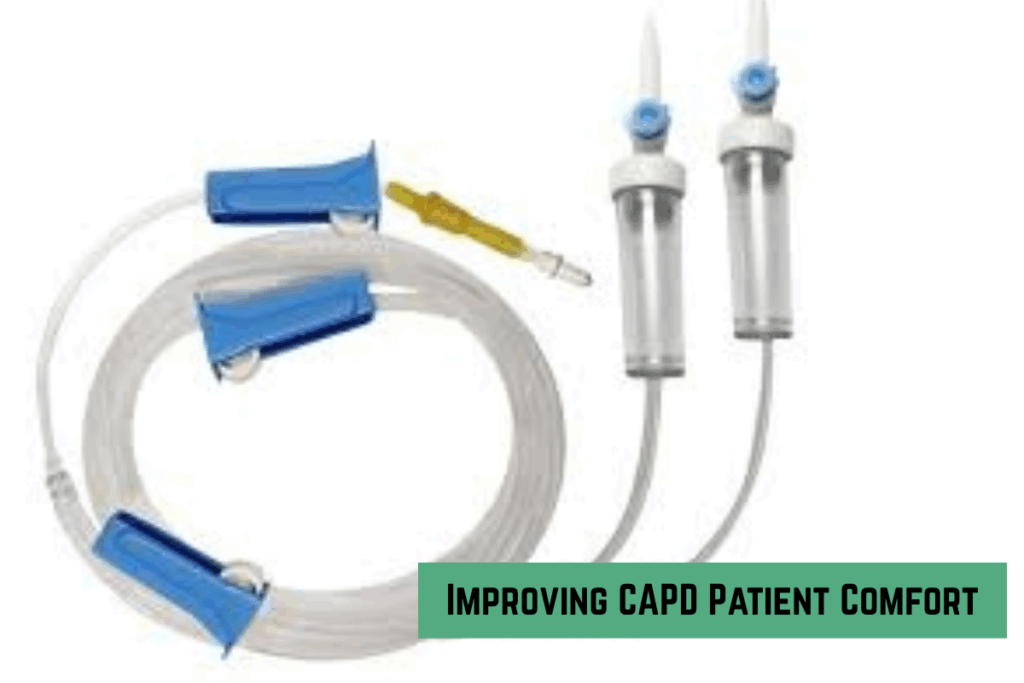
The twist clamp is also beneficial for preventing leaks and accidental disconnections during dialysis. The secure, adjustable clamp reduces the risk of contamination and ensures that the transfer set remains properly connected throughout the treatment. For patients, this means greater peace of mind and comfort during the procedure, knowing that the system will not inadvertently disrupt the dialysis process.
Ergonomically Designed Connectors and Tubing
The connectors are designed for easy attachment and detachment, allowing for a smooth, quick connection to the dialysis catheter. The streamlined design ensures that patients or caregivers can handle the components without difficulty, reducing the time spent setting up and disconnecting the system.
The tubing is made from high-quality materials that are both durable and flexible, making it easier for patients to position the catheter and transfer set as needed. The flexibility of the tubing reduces the chance of kinks, which could impede fluid flow and cause discomfort. Additionally, the clear tubing allows for easy visual monitoring, ensuring that the flow of dialysate is consistent and uninterrupted.
Improved Catheter and Connector Integration
Innovations in the integration of the peritoneal dialysis catheter and the transfer set have also enhanced patient comfort. The design of modern transfer sets ensures that the connection between the catheter and transfer set is secure, preventing leaks or disconnections that could lead to contamination or the need for additional interventions. Many peritoneal dialysis transfer sets now feature luer lock connectors, which create a tight, secure seal, reducing the risk of accidental disconnections during treatment.
The integration of these components also improves ease of use. Modern transfer sets are designed to work seamlessly with a variety of catheter types, making them compatible with most peritoneal dialysis systems. This standardization allows healthcare providers to offer a more consistent experience for their patients and reduces the potential for complications during the connection and disconnection process.
Hydrophobic Filters for Enhanced Protection
An important development in transfer set design is the incorporation of hydrophobic filters into the system. These filters are designed to prevent the entry of bacteria and other contaminants into the peritoneal cavity, ensuring that the dialysis process remains sterile. The hydrophobic filter allows for air exchange without permitting water or contaminants to pass through, providing an added layer of protection for the patient.
The addition of a hydrophobic filter in the dialysis transfer set helps to reduce the risk of infection, one of the most serious complications in peritoneal dialysis. With less risk of infection, patients experience fewer complications and discomfort, contributing to a more positive treatment experience.
Reduced Risk of Infection
A major concern for CAPD patients is the risk of infections, particularly peritonitis, which can result from contamination of the dialysis system. The innovative designs in transfer sets help mitigate this risk by providing secure connections, preventing leaks and incorporating sterilizing filters. The hydrophobic filters and luer lock connectors in modern transfer sets are essential in maintaining sterility during dialysis procedures, thus reducing the risk of infections.
By reducing the risk of infection, these design innovations contribute to the overall comfort of CAPD patients. Infections can lead to painful treatments, hospital visits and extended recovery times, all of which can significantly disrupt a patient’s life. With a more reliable and secure transfer set design, patients can have greater confidence in the safety of their treatment.
Improved Mobility and Convenience
The increased flexibility provided by extended transfer sets allows patients to go about their daily activities with fewer restrictions. Whether they are sitting, standing or walking, patients benefit from the added length and flexibility that prevent the catheter and transfer set from becoming taut or uncomfortable. This improved mobility contributes significantly to patient comfort, as they are not constrained by the dialysis system.
Additionally, ergonomically designed connectors ensure that the process of connecting and disconnecting the system is as simple and hassle-free as possible. The ease of use and efficient handling improve the overall experience for patients, particularly those managing their dialysis treatments at home.
A More Comfortable Dialysis Experience
All these innovations – extended length, twist clamp, hydrophobic filters and improved integration – combine to create a dialysis process that is less intrusive and more comfortable for the patient. The goal of these design advancements is to make the treatment process as easy and comfortable as possible, minimizing any discomfort, risks or inconvenience associated with CAPD.
As patient comfort plays a crucial role in treatment adherence and overall health outcomes, these innovations directly improve the quality of life for CAPD patients. With less worry about complications and more control over the dialysis process, patients are empowered to manage their condition with greater confidence and ease.

Innovations in transfer set design continue to play a crucial role in enhancing the comfort and safety of CAPD patients. By focusing on flexibility, ease of use, infection control and patient comfort, manufacturers are making significant strides toward improving the overall dialysis experience.
As the demand for home-based dialysis increases, the evolution of peritoneal dialysis transfer sets will continue to be an area of focus for innovation. Through the development of extended transfer sets with twist clamps, ergonomic connectors and hydrophobic filters, patients can look forward to more comfortable, efficient and safer dialysis treatments. These improvements not only enhance patient comfort but also contribute to better treatment outcomes, ensuring that CAPD remains an effective and viable option for kidney disease management.
The future of dialysis transfer sets will likely continue to prioritize patient-centric design, ensuring that the comfort, convenience and safety of patients remain at the forefront of medical technology advancements.
We are recognized as one of the leading manufacturers, exporters, and suppliers of a diverse range of high-quality medical devices in India. Our products, including Interventional Cardiology, Nephrology, Anaesthesia, General Consumables, and Critical Care Accessories, are designed to meet the highest standards of excellence, ensuring reliable performance and patient care.
A – 8, Kuraopokpi industrial Estate,
Thoubal (kakching) Imphal,
Manipur – 795001, India.